Your Essential Roadmap to Mastering Basic Inorganic Chemistry

webmaster

기초 무기화학 - Here are three detailed image generation prompts in English:

Hey there, chemistry enthusiasts and curious minds! I’m so excited to share something truly foundational yet incredibly cutting-edge today. You know, when I first dipped my toes into the world of chemistry, “inorganic” almost sounded…

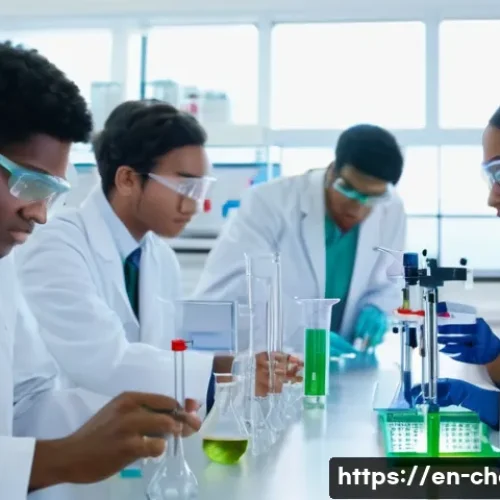
기초 무기화학 관련 이미지 1

well, a bit dry. But oh, how wrong I was! This field, which broadly explores compounds without carbon-hydrogen bonds – think metals, minerals, and salts – is quite literally everywhere, shaping our daily lives in ways you might not even realize.

From the silicon powering your smartphone and the lithium in your electric car’s battery to innovative medical treatments and revolutionary new materials, inorganic chemistry isn’t just a basic science; it’s a dynamic powerhouse driving the future.

It’s absolutely fascinating to see how the elements around us come together to create everything from groundbreaking catalysts for green energy to the building blocks of tomorrow’s sustainable solutions.

Inorganic chemistry is fundamentally about understanding the very essence of matter beyond the realm of living organisms. It delves into the properties and reactions of elements and their compounds, giving us the power to craft materials with astonishing capabilities.

Seriously, it’s mind-boggling when you consider how basic principles here are leading to things like more efficient solar cells, advanced pollution control methods, and even non-toxic materials that can convert motion into electricity for wearable tech.

Every time I learn about a new discovery in this area, like that recent breakthrough with bismuth iodide for lead-free piezoelectrics, I’m reminded of the immense potential held within these “non-organic” building blocks.

It’s truly a journey from foundational knowledge to groundbreaking innovation. We’re talking about the backbone of modern technology and the hidden hero behind countless advancements.

Ready to unravel these mysteries with me? Let’s dive deeper below and explore this incredible world together.

Wow, diving into inorganic chemistry really gets my mind buzzing! It’s incredible how a field that might seem a bit “old school” to some is actually at the forefront of so much innovation.

When I think about it, the compounds without carbon-hydrogen bonds – all those metals, minerals, and salts – are the silent heroes powering our modern world.

From the moment you pick up your smartphone, to the electric car silently gliding past, or even the advancements in healthcare that seem almost like science fiction, inorganic chemistry is undeniably shaping our present and paving the way for a more sustainable future.

Seriously, every time I read about a new breakthrough, like those bismuth iodide piezoelectrics I mentioned earlier, I get such a kick out of realizing how these fundamental building blocks are leading to such impactful solutions.

It’s like the universe is constantly offering us new puzzles to solve with the same basic pieces! Let’s unpack some of these amazing developments and see just how deeply inorganic chemistry is interwoven into our daily lives and tomorrow’s biggest challenges.

Catalysis: The Unsung Hero of Modern Industry

You know, if there’s one area that truly showcases the sheer power and versatility of inorganic chemistry, it has to be catalysis. When I first learned about catalysts, I pictured them as these magical substances that just *poof* make reactions happen faster without getting used up. And honestly, that’s pretty close to the truth! Inorganic compounds, especially those brilliant transition metals, are absolutely crucial in speeding up countless chemical reactions across a mind-boggling array of industries. Think about it: from producing plastics and fertilizers that keep our world running and fed, to refining petroleum into the fuels we use every day, catalysts are working behind the scenes, making everything more efficient. They’re like the ultimate multi-taskers, allowing reactions to occur at lower temperatures or with less energy input, which is a massive win for both cost-efficiency and environmental impact. My own experience has shown me that without these catalytic workhorses, many of the products we take for granted wouldn’t be economically viable to produce, or even possible at all! It’s genuinely mind-boggling when you realize their widespread influence.

Driving Sustainable Solutions

One of the most exciting aspects of inorganic catalysis right now is its pivotal role in green chemistry. We’re talking about developing methods that are far more sustainable, dramatically reducing waste and cutting down on energy consumption in chemical processes. For example, scientists are creating new catalysts for things like breaking down pollutants in our environment or converting carbon dioxide into useful compounds, which is huge for tackling climate change. It’s like these inorganic compounds are giving us the tools to clean up the planet and build a greener future. When I see researchers talking about “single-atom catalysis” or designing catalysts for more efficient hydrogen production, I feel a genuine sense of optimism. It’s all about making sure that the chemistry we do today doesn’t harm the world we live in tomorrow. This push for cleaner, more efficient catalytic processes is not just a trend; it’s a fundamental shift in how we approach manufacturing and energy.

Catalysts in Everyday Life and Emerging Tech

Beyond the industrial scale, inorganic catalysts are everywhere, even if you don’t always spot them. Ever thought about how your car’s catalytic converter works? It uses solid platinum and palladium surfaces to clean up harmful exhaust gases, turning nasty carbon monoxide and hydrocarbons into less toxic substances. That’s inorganic chemistry doing its job to protect the air we breathe! And looking to the future, the integration of inorganic chemistry with nanotechnology is paving the way for transformative advancements. We’re talking about things like metal nanoparticles being incorporated into Metal-Organic Frameworks (MOFs) to boost catalytic activity for new drug delivery methods. The potential here is just immense, from making our everyday technologies cleaner to enabling breakthroughs in medical treatments. It’s a field constantly evolving, and frankly, it’s pretty thrilling to witness.

Advanced Materials: Building Tomorrow, Today

If you’re anything like me, you love seeing how basic science translates into tangible, innovative products. And when it comes to creating the materials that define our age, inorganic chemistry is absolutely indispensable. We’re not just talking about traditional stuff like glass and ceramics – though those are still incredibly important, found in everything from your windows to your dishes and even car tires. We’re witnessing a revolution in advanced inorganic materials, designing substances with astonishing capabilities that were once the stuff of science fiction. Think about the silicon in your computer chips, enabling all the digital magic we rely on daily, or the lithium that’s at the heart of the batteries powering your electric car and phone. This field is constantly pushing boundaries, creating materials with unique electronic, magnetic, and structural properties that are fundamental to everything from cutting-edge electronics to sustainable energy solutions. It’s like chemists are playing with LEGOs, but these LEGOs are elements from the periodic table, and they’re building the future!

Innovations in Electronics and Energy Storage

The electronics industry would simply not exist as we know it without inorganic materials. Beyond silicon, materials like gallium arsenide are gaining traction in high-speed electronics, always striving for faster, more energy-efficient devices. And let’s not forget energy storage! Rechargeable batteries, especially lithium-ion ones, are absolutely vital for our modern, portable world. These batteries rely heavily on complex inorganic structures like lithium cobalt oxide. The global demand for lithium is skyrocketing, a clear testament to how crucial inorganic chemistry is for green energy solutions and our transition to electric vehicles. It’s a bit humbling to realize that the sleek devices we carry around are powered by the intricate dance of inorganic compounds. This ongoing quest for more efficient solar cells and fuel cells, too, is deeply rooted in inorganic materials research.

Sustainable Materials for a Greener Planet

The drive for sustainability is also profoundly influencing inorganic materials science. Researchers are focusing on developing materials and processes that minimize environmental impact. This means finding sustainable sources for raw materials, perhaps even extracting them from waste streams or seawater. And it’s not just about what we take, but how we make things. We’re seeing a shift towards “green chemistry” principles, using renewable feedstocks and designing materials with improved atom economy – meaning less waste is generated during production. Imagine materials that can absorb and store carbon dioxide, or new catalysts for carbon dioxide conversion. These aren’t just theoretical ideas; they’re active areas of research with immense potential. My personal hope is that these innovations will make a real difference in tackling climate change, and it’s thrilling to see inorganic chemistry leading the charge.

Advertisement

Bioinorganic Chemistry: Bridging the Divide

Alright, so we’ve talked about industry and advanced tech, but let’s shift gears to something truly fascinating: the intersection of inorganic chemistry and biology. This field, often called bioinorganic chemistry, explores the incredible ways metals play vital roles in living systems. When I first heard about it, my mind immediately went to things like iron in our blood or calcium in our bones – and you’d be right! But it goes so much deeper than that. This area is leading to some truly groundbreaking advancements, especially in medicine. It’s like discovering that the same inorganic elements that power our gadgets are also intricately woven into the very fabric of life itself, performing complex functions that keep us healthy.

Metals in Medicine and Diagnostics

The medical field is constantly benefiting from the insights of bioinorganic chemistry. Metal-based compounds are being used in a whole host of medical treatments and diagnostic tools. For example, certain inorganic compounds are critical in MRI contrast agents, helping doctors visualize internal body structures with amazing clarity. Many modern drugs actually contain inorganic elements like metals, which are absolutely essential for their therapeutic effects. We’re even seeing breakthroughs in developing metal catalysis schemes for activating prodrugs – essentially, inactive drugs that become active when they reach their target in the body. This precision can lead to more effective treatments with fewer side effects. It’s a complex area, but the potential for truly novel drugs and diagnostic agents, along with a deeper understanding of how existing organic drugs work, is just immense. It’s like nature and chemistry are collaborating to heal us, and inorganic chemists are the interpreters.

Essential Elements and Biological Systems

Beyond direct medical applications, bioinorganic chemistry helps us understand the fundamental roles of essential elements in our bodies. Think about how crucial sodium and potassium ions are for nerve function and maintaining cellular balance – those are inorganic compounds acting as electrolytes. Or consider the phosphates in DNA, forming the very backbone of our genetic material. The field is also looking at how non-essential elements might be harnessed for therapeutic or diagnostic purposes. It’s a dynamic area, constantly revealing new insights into how life itself relies on inorganic chemistry. Every time I learn about a new metal-containing enzyme and its function, I’m reminded of the intricate and beautiful chemistry that’s happening inside us every second. This understanding is key to unlocking new treatments and improving human health on a grand scale.

Environmental Guardians: Protecting Our Planet

We all care about the environment, right? And it might surprise you just how much inorganic chemistry is contributing to making our planet cleaner and more sustainable. Honestly, when I first thought about environmental solutions, my mind often jumped to biology or policy. But inorganic chemistry is quietly, yet powerfully, working behind the scenes as a true guardian of our environment. From cleaning up polluted waters to developing cleaner energy sources, these compounds are absolutely essential for addressing some of the biggest environmental challenges we face today. It’s a testament to how versatile and impactful this field really is.

Cleaning Up Our World

One of the most direct ways inorganic chemistry helps the environment is through pollution remediation. Think about contaminated soil or water – inorganic compounds can be used to clean them up by breaking down harmful substances. This isn’t just theory; it’s being applied to make real differences in affected areas. Water treatment, which is vital for providing safe drinking water globally, heavily relies on inorganic chemicals like chlorine and aluminum sulfate to disinfect, coagulate, and adjust water pH. It’s amazing to think that the water flowing from your tap has likely been treated thanks to the power of inorganic compounds. This aspect of the field truly makes a tangible difference in people’s lives every single day, and frankly, I find that incredibly inspiring.

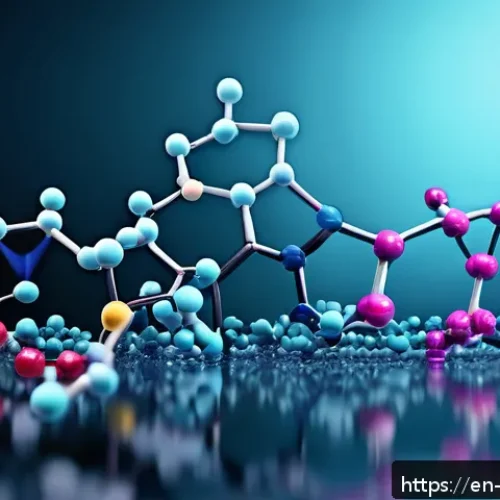
기초 무기화학 관련 이미지 2

Towards a Sustainable Future

Beyond cleanup, inorganic chemistry is also a major player in developing more sustainable practices and technologies. We’re seeing an increasing shift towards eco-friendly and sustainable inorganic chemicals, including low-toxicity catalysts and green synthesis methods that reduce waste and energy consumption. The push for renewable energy sources is also deeply intertwined with inorganic chemistry. For instance, the development of efficient solar cells and fuel cells relies on innovative inorganic materials. And looking ahead, researchers are exploring how to recover valuable metals from waste streams, creating a circular economy for critical elements needed in clean energy technologies like electric car batteries and wind turbines. This focus on resource efficiency and minimizing environmental impact throughout a product’s lifecycle is absolutely crucial for the planet’s long-term health. It makes me feel good knowing that the brilliant minds in this field are constantly working on solutions that benefit all of us.

Area of Application Key Inorganic Compounds/Materials Impact on Daily Life / Future
Electronics & Computing Silicon, Gallium Arsenide, Metal Oxides Powering smartphones, computers, and high-speed devices; enabling faster and more efficient technology.
Energy Storage & Renewables Lithium compounds, Cobalt, Nickel, Perovskites Essential for electric vehicle batteries, portable electronics, efficient solar cells, and sustainable energy grids.
Catalysis Transition metal complexes (e.g., Platinum, Palladium), Zeolites Speeding up industrial processes (plastics, fuels), reducing pollution in car exhausts, enabling green chemistry.
Medicine & Diagnostics Metal-based compounds (e.g., Gadolinium, Platinum complexes), Bismuth salts MRI contrast agents, anti-cancer drugs, targeted drug delivery, and a deeper understanding of biological processes.
Construction & Materials Cement, Glass, Ceramics, Titanium Dioxide Building infrastructure, windows, dishes, paints, and protective coatings for everyday products.
Agriculture Nitrogenous compounds, Phosphates, Potash Fertilizers crucial for crop growth, increasing food production to feed a growing global population.
Advertisement

Shaping Everyday Innovations

It’s truly incredible how often we interact with inorganic chemistry without even realizing it. I mean, from the moment you wake up, you’re probably surrounded by it! Take your morning coffee, for instance. The mug you’re holding? Likely made of ceramic, an inorganic material. The water you used? A quintessential inorganic compound! Then you brush your teeth, and guess what? Many toothpastes contain inorganic compounds that help clean effectively. It’s not just the big, flashy breakthroughs; it’s the subtle, constant presence of inorganic substances that truly shape our daily experiences and make life more convenient. I often find myself looking at common objects and thinking, “Wow, inorganic chemistry really makes that possible.” It’s a field that underpins so much of modern life, becoming almost invisible due to its ubiquity.

Household Essentials and Personal Care

Let’s take a quick stroll through your home. In the kitchen, baking soda (sodium bicarbonate) helps your cakes rise, and common table salt (sodium chloride) seasons your food – both classic inorganic compounds. Even the glass of your windows or the rubber in various household products are examples of inorganic polymers. And when it comes to personal care, inorganic compounds play a role in products like soaps and detergents, often containing inorganic elements that enhance cleaning effectiveness. It really makes you pause and appreciate the sheer breadth of this science. It’s not just confined to laboratories or heavy industries; it’s right there with you, making your daily routine smoother and more efficient. Trust me, once you start noticing, you’ll see inorganic chemistry everywhere!

From Coatings to Cleanliness

Beyond what you might initially consider, inorganic chemistry is also crucial in things like pigments and coatings. Titanium dioxide, for example, is that brilliant white powder pigment used in paints, coatings, plastics, and even some cosmetics. It’s also fantastic at resisting UV light, which is why it’s in demand for photocatalysts. These materials do more than just add color; they protect, enhance, and enable a huge range of products. And the drive for cleanliness and health extends to things like water treatment, where inorganic chemicals are absolutely vital for purification and disinfection. It’s all about improving quality of life, making our surroundings safer, and providing the functional materials we need to thrive. Every time I see a vibrant color or enjoy clean water, I’m reminded of the ingenuity in inorganic chemistry.

Future Horizons and Uncharted Territories

Okay, so we’ve looked at the present and how inorganic chemistry is fundamentally interwoven into our world. But what about the future? That’s where it gets really exciting! When I think about what’s next, my mind races with the possibilities. This field isn’t just about established science; it’s constantly pushing into uncharted territories, driven by the relentless human curiosity to understand and manipulate matter at its most fundamental level. The future of inorganic chemistry is looking incredibly bright, focusing on developing new materials, refining manufacturing techniques, and, perhaps most importantly, ensuring a sustainable future for everyone. It’s like standing on the edge of a vast, unexplored landscape, knowing that incredible discoveries are just around the corner!

Emerging Technologies on the Horizon

The International Union of Pure and Applied Chemistry (IUPAC) regularly highlights emerging technologies that are set to transform chemistry, and inorganic chemistry is consistently at the heart of many of these. We’re talking about things like additive manufacturing (3D printing complex inorganic structures!), carbon dots for healthcare, and direct air capture technologies to remove CO2 from the atmosphere. These aren’t just niche topics; they represent massive leaps forward in how we create, innovate, and solve global problems. Even something called “nanochain biosensors” and “synthetic cells” are on the horizon, promising revolutionary advancements in diagnostics and the production of chemicals and drugs. It truly feels like we’re on the cusp of an era where scientific breakthroughs in this area will fundamentally change our world for the better, making science fiction a reality.

Sustainability and Circular Economy Focus

A huge driver for future innovation in inorganic chemistry is sustainability. There’s a growing emphasis on creating a circular economy, especially when it comes to valuable metals. This means developing smarter ways to recover metals from waste electronics – think gold, lithium, and palladium from old gadgets – so they can be reused instead of endlessly mined. Researchers are actively working on greener processes with less hazardous reagents for these separations. And new, compact robotic lab systems are accelerating the discovery of sustainable materials ten times faster than before! This commitment to minimizing environmental impact and optimizing resource efficiency is incredibly motivating. It ensures that the advancements we make today don’t compromise the resources or health of future generations, which is a vision I wholeheartedly stand behind. The global inorganic chemistry market itself is projected for significant growth, driven by these sustainable and technological advancements, highlighting the immense potential for innovative solutions and a greener world.

Advertisement

Wrapping Things Up

Whew! What a journey through the incredible world of inorganic chemistry! It’s truly mind-boggling to realize just how deeply this field is intertwined with every aspect of our lives, from the tiny screens we tap to the massive infrastructure that supports our cities. Honestly, reflecting on all these advancements, I feel a surge of excitement for the future. It’s clear that the “elements without carbon” aren’t just sitting idly by; they’re actively shaping a more efficient, sustainable, and healthier world for all of us. This isn’t just science happening in a lab; it’s literally the foundation upon which our modern lives are built and our future innovations will stand. The constant evolution and the sheer potential for breakthrough solutions never cease to amaze me!

Handy Bits of Info You’ll Love

1. If you’re fascinated by the potential of new materials, keep an eye on perovskites! These inorganic compounds are revolutionizing solar cell efficiency and could soon power more affordable, widespread renewable energy solutions.

2. Ever wonder about the colors in fireworks? Those vibrant displays are pure inorganic chemistry in action, with different metal salts emitting specific light wavelengths when heated. It’s truly a beautiful demonstration of the periodic table at play!

3. Consider pursuing a career in green chemistry if environmental impact is your passion. Many roles in this field involve designing sustainable inorganic processes and materials to tackle pollution and resource scarcity.

4. The next time you’re charging your phone or driving an electric car, take a moment to appreciate the complex inorganic chemistry within those batteries. Lithium-ion technology, a cornerstone of portable power, is constantly being refined by inorganic chemists.

5. Dive deeper into the world of bioinorganic chemistry! It’s a captivating blend of biology and chemistry, revealing how essential metals like iron and zinc play critical roles in keeping living organisms, including us, healthy and functioning.

Advertisement

Key Insights to Remember

At its heart, inorganic chemistry is the silent powerhouse behind so much of what makes our modern world tick. We’ve seen how it drives innovation in electronics and energy, acts as the unsung hero of industrial catalysis, and plays a fundamental role in both medicine and environmental protection. It’s a field that’s not only about understanding the basic building blocks of our universe but also about harnessing that knowledge to solve complex global challenges. The constant push towards sustainability, the development of advanced materials, and the intricate dance between metals and living systems are truly defining the cutting edge of science today. This dynamic field continues to evolve, promising a future filled with exciting discoveries and practical solutions that will benefit us all.

Frequently Asked Questions (FAQ) 📖

Q: What’s the fundamental difference between inorganic and organic chemistry, and why does that distinction matter so much?

A: Oh, this is a fantastic starting point! When I first began exploring chemistry, this was one of the first big questions that popped up, and it can feel a little confusing at first.
At its core, organic chemistry is all about compounds that contain carbon-hydrogen bonds – think of the complex molecules that make up living things, like proteins, DNA, and even fossil fuels.
Inorganic chemistry, on the other hand, broadly focuses on everything else – compounds that don’t primarily feature carbon-hydrogen bonds. This includes metals, minerals, salts, and literally all the other elements on the periodic table and their vast combinations.
Why does this distinction matter so much? Well, it’s not just a fancy academic label! It’s like sorting your toolbox.
Organic chemistry gives us the tools to understand life itself, pharmaceuticals, and plastics. Inorganic chemistry, on the flip side, provides the foundational understanding for creating new materials, catalysts for industrial processes, developing batteries, and even cleaning up the environment.
From my own experience, understanding this difference truly helped me grasp the sheer breadth of chemistry, showing how these two seemingly separate fields actually complement each other in incredible ways.

Q: Where can I actually see inorganic chemistry in action in my everyday life, beyond just labs and textbooks?

A: This is one of my absolute favorite questions because the answer is truly everywhere! I bet you didn’t even realize how many times a day you interact with inorganic chemistry.
Think about your smartphone – the silicon in its chips, the lithium in its battery, and the rare earth elements that give you those vibrant colors and tiny vibrations are all thanks to inorganic compounds.
Or, if you drive an electric car, that powerful battery is a marvel of inorganic chemistry. Ever cooked with a non-stick pan? The coating often involves inorganic polymers.
Even the concrete and bricks in the buildings around you are inorganic materials. On a bigger scale, the catalysts used to clean up car exhaust, turning harmful pollutants into less harmful gases, are inorganic compounds.
Seriously, the more you look, the more you see it – from the minerals in your supplements to the dazzling pigments in your paints, inorganic chemistry is the silent hero making so much of our modern world possible.
It truly shows you that chemistry isn’t just confined to a beaker; it’s the fabric of our existence!

Q: With all the talk about sustainability and new technology, why is inorganic chemistry considered such a game-changer for our future?

A: This is where inorganic chemistry really gets exciting for me! It’s not just about what it’s done, but what it’s going to do for us. I firmly believe that many of the biggest challenges facing our planet and society will find their solutions rooted in inorganic chemistry.
Think about green energy – the next generation of highly efficient solar cells, powerful new battery technologies for energy storage, and even catalysts that can convert carbon dioxide into useful fuels are all being developed by inorganic chemists.
Then there’s the whole field of sustainable materials; researchers are using inorganic principles to create lighter, stronger, and more eco-friendly alternatives to traditional materials, reducing waste and our environmental footprint.
Even in medicine, inorganic compounds are being explored for innovative drug delivery systems and advanced imaging techniques. It’s absolutely mind-boggling when you consider how foundational principles are leading to breakthroughs that will literally power our homes, clean our air, and improve our health in the years to come.
From my perspective, inorganic chemistry isn’t just a science; it’s a vital pathway to a more sustainable, technologically advanced, and healthier future for everyone.