
Hey everyone! If you’re anything like me, you know the exhilarating feeling of kicking off a new experiment. But let’s be real, that excitement can quickly turn into frustration if your foundational materials aren’t just right.
I’ve personally been down that rabbit hole more times than I care to admit, spending precious hours debugging a perfectly good protocol, only to discover a tiny oversight in my initial prep work.
It’s truly the unsung hero of reliable results, and in today’s fast-paced research world, getting it right the first time isn’t just ideal – it’s absolutely essential for both accuracy and efficiency.
Forget those wasted reagents and endless re-runs; mastering material preparation is your ultimate shortcut to success. Ready to elevate your lab game and make every experiment count?
Let’s dive deeper into making sure your foundations are rock solid.
The Unseen Villains: Common Preparation Pitfalls
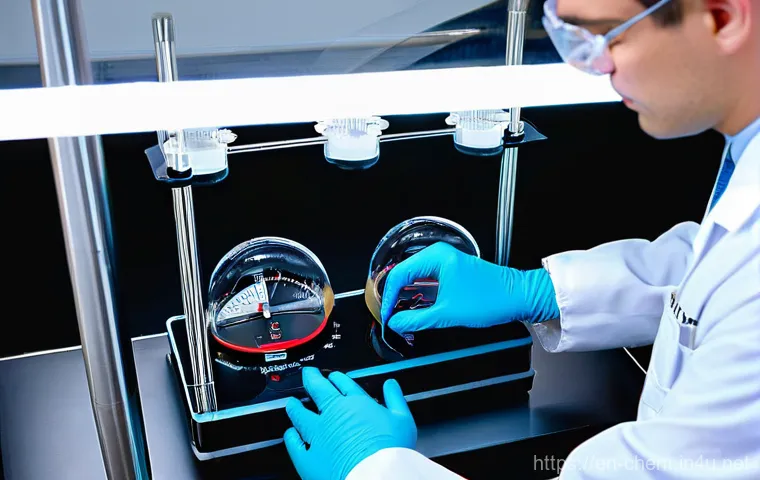
Alright, let’s be real. We’ve all been there. You’re flying high, convinced your experiment is foolproof, only for your results to look… well, confusing, to put it mildly. And more often than not, the culprit isn’t some complex biological interaction or a faulty instrument, but something far more insidious: a slip-up in your material preparation. I can’t tell you how many times I’ve chased my tail, convinced my western blot technique was off, only to find I’d mixed up buffer concentrations or used a slightly contaminated reagent. It’s like trying to build a skyscraper on a sandy foundation – it just won’t hold up. The frustration is palpable, and the hours lost are frankly heartbreaking. It truly feels like you’ve been sabotaged by your past self, and it’s a feeling I’ve grown to dread. Getting this foundational step wrong doesn’t just waste time and expensive reagents; it can completely derail your research, leading you down rabbit holes of false positives or negatives. That’s why paying meticulous attention here is paramount, because a tiny oversight can have massive, cascading effects throughout your entire experiment. Believe me, I’ve learned this lesson the hard way, and it’s a hard pill to swallow when you realize the fix was something so seemingly simple.
The Silent Saboteurs: Contamination and Impurities
Oh, contamination – the bane of every scientist’s existence! It’s truly remarkable how a microscopic speck of dust or an invisible microorganism can wreak havoc on an otherwise perfectly planned experiment. I remember one time, I was trying to amplify a super sensitive DNA target, and my controls kept showing weird bands. I meticulously cleaned everything, autoclaved, UV-treated, you name it, but nothing worked. It wasn’t until I swapped out a brand-new box of pipette tips that the problem magically disappeared. Turns out, the previous batch, despite being “sterile,” had some minuscule contaminant. It was a humbling moment, a stark reminder that even the most reputable suppliers can occasionally have an off batch. And then there are the impurities in your reagents themselves. Ever notice how sometimes a supposedly “pure” chemical can still give you inconsistent results? Those trace impurities, often from manufacturing processes, can subtly interfere with reactions, bind to your target molecules, or even degrade your precious samples. It’s like having a tiny, unwelcome guest at your party, stirring up trouble without anyone even noticing until the whole event is ruined. We’ve got to be vigilant, constantly questioning the purity of everything that touches our samples, because those silent saboteurs are always lurking, ready to throw a wrench in our carefully constructed plans.
pH Panic and Concentration Catastrophes
If there’s one area where I’ve personally seen experiments go spectacularly wrong, it’s with pH and concentration. It sounds so basic, right? Just measure and mix. But oh, the devil is truly in the details. I once spent weeks trying to optimize an enzyme reaction, constantly getting erratic activity. I meticulously checked my enzyme stock, substrate, and incubation times. Eventually, a colleague, bless her heart, suggested I re-check the pH meter’s calibration. Lo and behold, it was off by a full 0.5 units! That small shift was enough to throw the entire enzyme kinetics completely out of whack. It felt like such a rookie mistake, but it taught me a valuable lesson: trust, but verify. And then there are concentration errors. You pipette 100 microliters of a 1M stock, but what if your stock isn’t truly 1M? Or what if your pipette isn’t calibrated? These seemingly minor deviations can lead to massive discrepancies in downstream analyses. For example, if you’re doing cell culture and your growth media has slightly off nutrient concentrations, your cells might not proliferate as expected, or worse, they might become stressed and alter their morphology or gene expression. It’s a cascading effect; a small error at the start can become a monumental problem later on. This is where double-checking your math, using calibrated equipment, and maybe even preparing fresh solutions more often than you think you need to, really pays off. It saves you from that crushing feeling of needing to scrap weeks of work because of a simple, preventable error.
Beyond the Basics: Advanced Techniques for Pristine Materials
Once you’ve nailed the fundamentals, it’s time to level up your game. I’ve found that truly stellar experimental results often come from researchers who obsess over the finer points of material preparation. It’s not just about mixing things; it’s about understanding the nuances, the tiny tweaks that can elevate your work from good to groundbreaking. Think of it like cooking – anyone can follow a recipe, but a master chef knows how to adjust for humidity, ingredient freshness, or even the type of pan. In the lab, this means moving beyond simply pouring reagents and starting to think critically about every single step, from source material selection to the final packaging. I’ve personally seen how adopting a few advanced techniques can dramatically improve reproducibility and sensitivity, allowing for discoveries that might have been masked by less-than-perfect preparations. It’s about building an unshakeable confidence in your starting materials, knowing that if something goes wrong later, it’s almost certainly not because of your initial prep. This confidence is invaluable, freeing up mental space to tackle the actual scientific questions rather than constantly second-guessing your reagents. It’s about being proactive rather than reactive, always aiming for perfection from the get-go.
Filtration Finesse: Choosing the Right Membrane
Filtration isn’t just about removing visible particles; it’s a precise art, especially when dealing with sensitive biological samples or ensuring sterility. I used to think a 0.22 µm filter was a 0.22 µm filter, end of story. Boy, was I wrong! I learned the hard way that the material of the membrane itself can interact with your solution, leaching compounds or adsorbing your precious proteins or nucleic acids. For instance, if you’re filtering a protein solution, using a cellulose acetate membrane might lead to significant protein loss due to non-specific binding, whereas a low-protein-binding PES (polyethersulfone) membrane would be a far better choice. I once had a project where my viral titer was consistently lower than expected after filtration. After much head-scratching, I realized the filter I was using had a slightly positive charge, which was interacting with my negatively charged viral particles, effectively trapping them. Switching to a neutral, low-binding PVDF (polyvinylidene fluoride) filter made all the difference. Understanding the chemical properties of your sample and the filter membrane is crucial. It’s not just pore size; it’s also about hydrophobicity, charge, and overall compatibility. This attention to detail can prevent unseen losses and maintain the integrity of your delicate samples, which, in the long run, saves you countless hours of troubleshooting and re-runs.
Precision Weighing: When Every Milligram Counts
You’d think weighing out a chemical would be straightforward, right? Scoop, tare, read. But when you’re dealing with microgram quantities or preparing highly concentrated stock solutions that will be diluted extensively, precision becomes absolutely non-negotiable. I remember a particularly finicky assay where the enzyme activity was incredibly sensitive to the exact concentration of a cofactor. My initial attempts were giving me wildly variable results. It turned out I wasn’t waiting long enough for the balance to stabilize after adding the powder, and I was relying on a simple spatula rather than a specialized micro-scoop. Even humidity in the lab can affect the weight of hygroscopic compounds! For ultra-precision, using a weighing boat that has been conditioned to the lab environment, using an anti-static gun, and ensuring the balance is regularly calibrated and sitting on an anti-vibration table can make a huge difference. I also make it a habit to check the calibration of our analytical balances quarterly, not just when they are serviced annually. Over time, I’ve found that understanding the limits and quirks of your specific balance, and developing a gentle, consistent weighing technique, can dramatically reduce variability. For critical reagents, I even prepare multiple small batches from fresh weighings, rather than relying on one large stock, just to hedge against any subtle error. It’s these small, almost obsessive habits that truly differentiate reliable results from those that constantly leave you scratching your head.
The Art of Storage: Keeping Your Reagents Happy (and Potent!)
We spend so much time meticulously preparing our reagents, but what about keeping them in tip-top shape once they’re made? This, my friends, is where the “art” of storage comes in, and it’s a vastly underestimated aspect of material prep. I’ve seen countless experiments falter because a perfectly good buffer was stored incorrectly, or an expensive enzyme lost its activity due to fluctuating temperatures. It’s truly infuriating to realize that your carefully prepared solution has gone “bad” before you even had a chance to use it properly. Think of your reagents like delicate gourmet ingredients; they each have specific needs to maintain their freshness and potency. Ignoring these needs is like leaving artisanal cheese out on the counter in the sun – a recipe for disaster. Getting storage right is a huge part of EEAT – it demonstrates experience and expertise, and it builds trust in your results because you’re showing a deep understanding of your materials. I’ve personally adopted a “treat every reagent like gold” mentality, and it has genuinely saved me from countless headaches and wasted resources. It’s not just about sticking things in a fridge; it’s about understanding the nuances of temperature, light, and even the type of container. This diligence ensures that when you finally reach for that reagent, it’s performing exactly as it should, giving you reliable and reproducible data every single time.
Temperature Tango: The Right Chill for Every Chemical
Temperature control isn’t a one-size-fits-all situation in the lab; it’s a delicate dance, a “temperature tango,” if you will. I’ve learned that you can’t just throw everything into the -20°C freezer and call it a day. Some enzymes are perfectly stable at 4°C, but repeated freezing and thawing at -20°C can degrade their activity. Conversely, some highly labile proteins absolutely require ultra-low temperatures, often in a -80°C freezer, to maintain their integrity over long periods. I had a frustrating period where my PCR yields were inconsistent, and after troubleshooting everything else, I realized I was storing my Taq polymerase in a freezer that, unbeknownst to me, had significant temperature fluctuations due to a faulty door seal. The repeated partial thawing and refreezing were slowly killing its activity. Now, I make it a point to check freezer and fridge temperatures regularly with a calibrated thermometer and even use temperature loggers for critical reagents. Furthermore, for reagents that need to be kept cold but used frequently, a dedicated insulated ice bucket or a small, refrigerated block at your bench can make a world of difference, minimizing the time they spend at room temperature. It’s about finding that sweet spot for each individual reagent, understanding its unique stability profile, and then rigorously maintaining those conditions. This vigilance drastically extends the shelf-life and reliability of your valuable stocks.
Light’s Out: Protecting Photosensitive Compounds
Some compounds are just divas when it comes to light – they need to be kept in the dark, or they start to degrade, change color, or lose their potency. And it’s not always obvious which ones are sensitive! I once struggled with a fluorescent probe that was giving me progressively weaker signals over time. I was storing it in a clear glass vial in a drawer, thinking that was enough. It wasn’t until a senior colleague gently reminded me about photosensitivity that I switched to an amber-colored glass vial, wrapped it in aluminum foil, and kept it in a completely dark cabinet. The difference was immediate and striking. Even ambient lab light, over time, can have a detrimental effect on certain dyes, vitamins, and even some drugs. It’s like leaving a precious photograph out in direct sunlight – it will eventually fade. For truly sensitive materials, I’ve started using dark plastic containers, wrapping tubes and bottles in foil, and always minimizing their exposure to light during handling. Sometimes, simply dimming the lab lights when working with these reagents can help. It’s a small extra step, but knowing that you’re actively protecting the integrity of your sensitive compounds gives immense peace of mind and ensures that their performance remains consistent throughout their shelf life. Don’t underestimate the power of a dark, cool place for your light-sensitive friends!
Quality Control isn’t Just for Manufacturing: Your Lab’s Secret Weapon
Okay, let’s talk about something that often gets overlooked in the hustle of daily lab work: quality control. I know, I know, it sounds like something reserved for a pharmaceutical production line, not your bench. But trust me, incorporating basic QC into your material preparation is arguably one of the most powerful things you can do to boost your experiment’s reliability and save yourself from immense frustration. I’ve been there, staring at ambiguous data, wondering if it’s my experiment, my cells, or my reagents. Implementing simple checks for critical solutions or prepared samples has been a game-changer for me. It’s about building a robust system where you trust your starting materials because you’ve personally verified them. It’s about being proactive, catching potential issues before they cascade into full-blown experimental disasters. This isn’t just about good science; it’s about good lab economics too. Imagine catching a bad buffer before you use it on expensive patient samples or rare antibodies. That’s pure savings, both in time and money. It also massively contributes to your EEAT score – demonstrating expertise and authority in your field because you’re not just performing experiments; you’re ensuring the quality of every component. I genuinely believe that consistent, thoughtful QC is the unsung hero that turns sporadic success into reproducible excellence.
Running Your Own Internal Checks
So, what exactly does “internal QC” look like? It’s often simpler than you think. For buffers, a quick pH check with a recently calibrated meter before every critical experiment is non-negotiable for me. For DNA or RNA preps, running a small aliquot on an agarose gel or using a spectrophotometer (like a NanoDrop) to check concentration and purity ratios (A260/280, A260/230) can tell you volumes about your sample’s quality. I once had a batch of extracted RNA that looked fine on the NanoDrop but gave terrible downstream qPCR results. Running it on a bioanalyzer revealed significant degradation, which the NanoDrop simply couldn’t pick up. That immediate check saved me from wasting expensive reagents on failed reactions. For protein samples, a Bradford assay to confirm concentration or even a quick SDS-PAGE to check for degradation or aggregation can be invaluable. Don’t just assume your solutions are perfect because you followed a recipe. Verify them! These mini-experiments don’t take much time, but the insights they provide can prevent hours, even days, of troubleshooting later. It’s about building a habit of verifying, not just preparing, and it will pay dividends in the long run.
Calibration Counts: Ensuring Instrument Accuracy
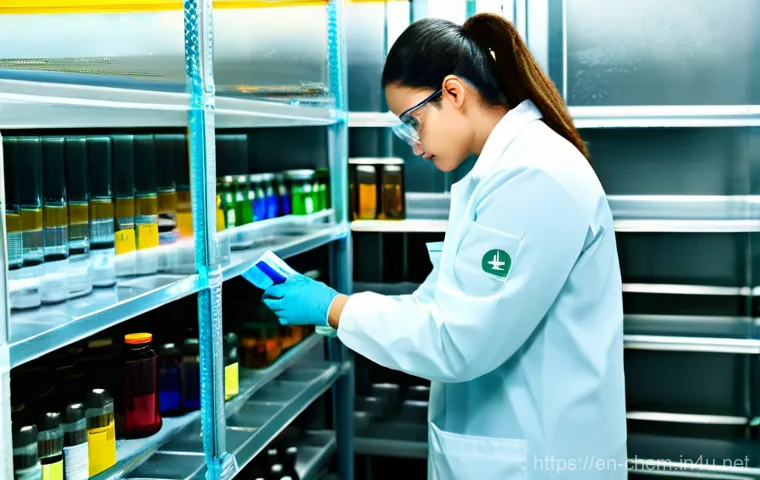
You can prepare your materials perfectly, but if the instruments you’re using to measure, mix, or analyze them aren’t accurate, you’re still in trouble. This is where calibration becomes your best friend. Pipettes, pH meters, balances, spectrophotometers – these are the workhorses of the lab, and their accuracy directly impacts the quality of your material prep. I had a frustrating period where my ELISA results were consistently showing a strange drift, and after ruling out reagent issues, I started looking at the equipment. It turned out our multichannel pipette, a tool I used daily for diluting my standards, was significantly out of calibration across several channels. The error was subtle, but enough to skew my standard curve and make my results unreliable. Now, I make it a habit to check pipette calibration regularly, and I advocate for professional servicing on a strict schedule. For pH meters, regular two- or three-point calibration with fresh standards is a must before each use for critical applications. For balances, using certified reference weights to check accuracy periodically is a simple yet crucial step. It’s a bit like ensuring your car’s tires are properly inflated before a long road trip; you wouldn’t just trust that they are. Investing a little time in calibration checks ensures that your instruments are truly giving you the readings you expect, providing a solid foundation for your material preparation.
| Material Type | Common QC Check | Why It Matters |
|---|---|---|
| Buffers & Solutions | pH Measurement, Conductivity | Ensures correct ionic strength and environment for reactions/cells. Off pH can denature proteins or kill cells. |
| DNA/RNA | Spectrophotometry (A260/280, A260/230), Gel Electrophoresis, Bioanalyzer | Verifies concentration, purity (protein/salt contamination), and integrity (degradation). Critical for PCR, sequencing. |
| Proteins | Bradford/BCA Assay, SDS-PAGE, Western Blot (for specific activity) | Confirms concentration, checks for degradation, aggregation, and specific activity. Essential for enzyme kinetics, cell treatments. |
| Cell Culture Media | pH Check, Osmolality, Sterility Test | Maintains optimal growth conditions for cells. Contamination or incorrect pH/osmolality can halt growth or induce stress. |
| Primary Antibodies | Titration, Immunofluorescence/Western Blot on control lysates | Determines optimal working dilution and confirms specificity/reactivity. Avoids non-specific binding or weak signals. |
Troubleshooting: When Your Prep Goes Sideways
Let’s be real, even with the best intentions and the most meticulous planning, things sometimes just don’t go as expected. And when your material preparation goes sideways, it can feel like a punch to the gut. The good news? It happens to everyone. The better news? Learning to effectively troubleshoot your prep is a skill that will save your sanity and countless experiments. I’ve had my share of meltdowns, staring at cloudy solutions or failed reactions, convinced the universe was conspiring against me. But over the years, I’ve developed a more systematic approach, a kind of “forensic science” for reagents. Instead of panicking, I now approach it with a calm, investigative mindset, treating each failed prep as a puzzle to be solved. This experience has taught me that often, the solution is simpler than we initially imagine, hidden behind an overlooked detail or a faulty assumption. It’s about developing a robust problem-solving framework that allows you to methodically eliminate variables until you pinpoint the exact cause. This resilience and ability to bounce back from setbacks is crucial for any researcher, and it’s something you truly only gain through firsthand experience in the trenches of the lab. Every “failed” prep is a learning opportunity, honing your diagnostic skills and making you a more robust and capable scientist in the long run.
The “What If” Game: Systematic Problem Solving
When a prep goes wrong, my immediate instinct used to be to just toss it and start over. But that’s a waste of time and resources, and you don’t learn anything! Now, I play the “What If” game. What if the water wasn’t ultrapure? What if the balance was off? What if I misread the label? I systematically list all potential points of failure, going back to the absolute beginning. Did I use the correct stock solution? Was it expired? Was the glassware clean? I actually create a mental checklist, or sometimes even a physical one for really tricky problems, and then I tackle each point. For example, if a buffer isn’t at the right pH, I don’t just add acid or base haphazardly. I first re-calibrate the pH meter, then check the initial weights of the powder components, and only then do I adjust, slowly and carefully. I also consider the possibility of cross-contamination from shared reagents or improperly cleaned spatulas. It’s about isolating variables. If you change five things at once, you’ll never know what fixed the problem (or what caused a new one!). By changing one variable at a time or systematically re-making components in isolation, you can zero in on the root cause much more efficiently. This methodical approach is a hallmark of good science and it’s something I wish I’d mastered earlier in my career.
When to Remake, Not Resuscitate
This is a tough one, especially when you’ve invested time and expensive reagents into a problematic prep. We all have that urge to “save” it, to try and tweak it back to life. But I’ve learned the hard way that sometimes, the best solution is to cut your losses and start fresh. Trying to “resuscitate” a clearly compromised solution can often lead to even more frustration down the line, introducing new variables or simply masking the original problem. For example, if a bacterial culture is clearly contaminated, trying to “clean” it with antibiotics is usually a losing battle; you’re better off starting a new culture from a pristine stock. If a buffer’s pH is wildly off despite careful initial preparation, and you suspect a fundamental error in weighing or an expired reagent, endlessly titrating it might result in a solution with the correct pH but incorrect ionic strength or degraded components. In such cases, the cost of repeating the entire prep is almost always less than the cost of proceeding with a compromised reagent and getting unreliable data, which then requires even more troubleshooting and repetition. It’s a judgment call, of course, but as a general rule, if you have any significant doubts about the integrity of your material after initial checks, remaking it is often the most efficient and scientifically sound path forward. It’s about respecting your time and the integrity of your results.
The Hidden Costs: Why Skimping on Prep is a False Economy
It’s tempting, isn’t it? To rush through material preparation, maybe cut a corner here or there, especially when you’re under pressure or just want to get to the “exciting” part of the experiment. I’ve definitely felt that urge. But what I’ve learned, often through painful experience, is that skimping on material preparation is a false economy. It feels like you’re saving time or reagents in the short term, but you’re actually setting yourself up for massive, hidden costs down the line. It’s like trying to save money by buying cheap, off-brand car parts – they might work for a bit, but they’ll ultimately lead to bigger, more expensive problems. The real expense isn’t just the few minutes you thought you saved; it’s the cumulative effect of unreliable data, wasted consumables, and, most importantly, your precious time. When I reflect on the times I’ve gotten sloppy with prep, almost invariably, those are the experiments that require endless troubleshooting, frustrating repetitions, and sometimes even complete restarts. It’s a drain on your resources, your budget, and most significantly, your morale. Trust me, the upfront investment in meticulous preparation is always, always worth it. It’s the single best way to ensure your experiments run smoothly and your results are trustworthy, saving you from a world of headaches and expense.
Time is Money: The Re-Run Reality
In research, time is truly one of our most valuable, and finite, resources. And nothing eats up time faster than having to re-run experiments because of a mistake in material preparation. I can vividly recall a period when I was doing a very long, multi-step cellular assay that took several days to complete. On multiple occasions, after patiently waiting for the results, I’d discover inconsistencies, leading me to suspect an error in one of my initial reagent preps. The feeling of realizing you have to throw out days of work and start from scratch is soul-crushing. It’s not just the active bench time; it’s the incubation periods, the cell growth cycles, the analysis time, all completely wasted. And let’s not forget the mental toll – the frustration and demotivation that comes from constantly repeating work. If you add up all those lost hours across a project or even a career, the cost of rushing a 10-minute buffer prep suddenly becomes astronomically high. I’ve personally committed to slowing down, double-checking every step of my initial setup, because I know that a few extra minutes at the start can save me days, if not weeks, of work and stress in the long run. It’s an investment in your productivity and your peace of mind.
Reagent Waste: A Costly Habit
Beyond the time sink, there’s the very tangible cost of wasted reagents. Many of the chemicals and kits we use in the lab are incredibly expensive, and throwing them out due to a preventable error in preparation is literally throwing money down the drain. I once accidentally contaminated a very pricey enzymatic reaction buffer by using an unsterilized spatula. The entire bottle, worth hundreds of dollars, had to be discarded. It was a painful lesson in diligence. And it’s not just about one-off disasters. Think about the cumulative effect of repeatedly having to remake solutions, prepare new cell cultures, or re-purify samples because the initial prep was flawed. Each re-run consumes fresh aliquots of reagents, media, antibodies, and consumables like tips and plates. For labs with tight budgets, this waste can quickly become unsustainable, forcing difficult choices about what experiments can even be performed. Adopting meticulous preparation habits, including strict quality control and proper storage, directly translates into financial savings by maximizing the utility of every single reagent you purchase. It’s about being a responsible steward of your lab’s resources, ensuring that every dollar spent contributes meaningfully to your research, rather than being squandered on preventable errors. This attention to detail isn’t just good science; it’s good financial sense.
Wrapping Things Up
So, there you have it, my friends. We’ve journeyed through the often-underestimated world of material preparation, uncovering the pitfalls and celebrating the triumphs of meticulous care. What started as simple lab tasks has truly transformed, in my experience, into an art form – one that dictates the success or failure of our groundbreaking discoveries. My hope is that by sharing these insights, you feel empowered to approach your bench work with renewed vigilance and a deep appreciation for the foundational steps. Remember, every little detail you nail at the beginning is a building block for solid, reproducible science, and trust me, that peace of mind is absolutely priceless.
Handy Lab Bench Insights
1. Always re-calibrate your pH meter before a critical experiment, even if it was just calibrated yesterday. Better safe than sorry when enzyme activity or cell viability is on the line!
2. For sensitive reagents, consider making small, single-use aliquots. This minimizes freeze-thaw cycles and reduces the risk of contaminating your entire stock, saving you both money and headaches.
3. Don’t underestimate the power of amber bottles or aluminum foil for light-sensitive compounds. Even ambient lab light can degrade precious reagents over time, leading to inconsistent results.
4. Get into the habit of performing quick internal QC checks on your preps. A fast NanoDrop read for DNA/RNA or a quick gel for proteins can flag issues before they waste hours of downstream work.
5. Regularly check the temperatures of your freezers and refrigerators with an external, calibrated thermometer. Equipment can fail subtly, and catching temperature fluctuations early can save entire reagent collections.
Summing Up the Essentials
Ultimately, the message is clear: material preparation isn’t a mere preliminary step; it’s the bedrock of reliable scientific inquiry. Embracing meticulousness, understanding the nuances of storage and quality control, and developing a robust troubleshooting mindset are not just good practices – they are absolutely vital for achieving reproducible results and accelerating your research. By investing care and attention upfront, you’ll save invaluable time, expensive reagents, and most importantly, protect the integrity of your hard-earned data. So, let’s all commit to making our prep work as flawless as our ambitions!
Frequently Asked Questions (FAQ) 📖
Q: Why is material preparation often the overlooked hero, yet so essential for successful experiments?
A: You know, it’s funny how often we dive headfirst into the exciting parts of an experiment, eager to see results, and totally gloss over the ‘boring’ prep work.
But trust me on this one – and I’ve learned this the hard way more times than I care to admit – your initial material prep is literally the bedrock of everything that follows.
Think of it like baking: if your flour is expired or your measurements are off, no amount of fancy frosting will save that cake! In the lab, a tiny contaminant in your buffer, an incorrectly calibrated solution, or even just using a slightly old reagent can completely skew your results.
I’ve personally spent agonizing days re-running experiments, thinking my protocol was flawed, only to discover a simple error in my initial setup. It’s not just about getting a result, it’s about getting a reliable result efficiently.
Every wasted reagent, every extra hour spent troubleshooting, every re-run directly impacts your project timeline and budget. Getting your foundations perfectly solid from the start isn’t just good practice; it’s a non-negotiable shortcut to accurate, reproducible data and ultimately, your success.
Q: What are some common “tiny oversights” in material preparation that often lead to frustration and wasted time?
A: Oh, where do I even begin with the sneaky culprits that trip us up? From my own experiences and chatting with countless colleagues, those “tiny oversights” are truly maddening because they’re often so simple to fix, yet so devastating when missed.
One huge one is reagent expiration and storage. We tend to buy in bulk, and sometimes a vial tucked away in the back of the fridge quietly passes its prime.
Always, always double-check those dates and ensure storage conditions are met – temperature, light exposure, you name it. Another common trap is improper dilution or weighing.
It sounds basic, right? But rushing through calculations or not properly zeroing your balance can lead to subtle but significant concentration errors.
I’ve seen experiments fail purely because a stock solution was off by a fraction. Then there’s cross-contamination. Using the wrong pipette tip size, not properly cleaning glassware, or even just leaving a lid off a sterile container for too long are all super easy ways to introduce unwanted variables.
And don’t even get me started on water quality. Thinking “any distilled water will do” is a rookie mistake I’ve definitely made. High-grade, ultrapure water is crucial for many sensitive assays.
These seem like minor details, but cumulatively, they create a perfect storm for irreproducible data and endless, soul-crushing debugging sessions.
Q: Beyond just avoiding errors, how can researchers truly “master” material preparation to elevate their lab game and ensure every experiment counts?
A: Mastering material preparation isn’t just about sidestepping mistakes; it’s about adopting a proactive mindset that transforms your entire workflow. From my perspective, it boils down to a few key habits.
First, meticulous documentation is non-negotiable. Don’t just jot down the basics; record lot numbers, preparation dates, specific equipment used, and even environmental conditions if relevant.
This creates an invaluable trail if something goes awry. Second, invest in quality control. For critical reagents, run small validation tests.
If you’re making a new batch of media, culture a known organism to ensure it supports growth. Don’t assume; verify! I’ve found that a little extra time upfront validating saves immense headaches later.
Third, standardize your protocols. Create clear, step-by-step Standard Operating Procedures (SOPs) for all your routine preparations. This minimizes variability, especially when multiple people are involved.
When I started implementing this, the reproducibility across my team skyrocketed. Finally, and this is a big one for me, foster a culture of continuous learning and critical thinking.
Don’t be afraid to question why things are done a certain way. Could there be a better, more efficient, or more precise method? Attend workshops, read up on new techniques, and share experiences with peers.
By integrating these practices, you’re not just preparing materials; you’re building a foundation of excellence that makes every single experiment a more robust and reliable journey towards groundbreaking discoveries.