Environmental chemistry research works best when the research question, sample type, and analysis method are chosen together. Basic screening can support early investigation, while accredited laboratory analysis may add value when reporting quality, method fit, or external review matters.
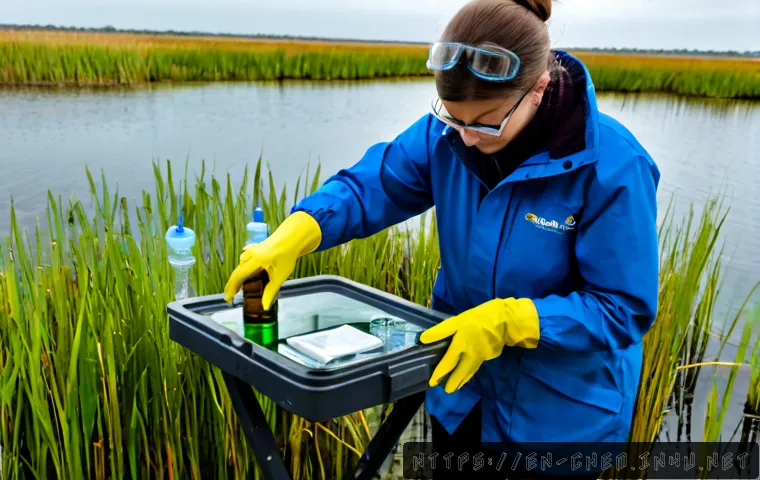
The right option depends on the chemicals of interest, the location, and what the results need to support. In-house tools, shared laboratories, and commercial environmental testing services each offer different trade-offs.
Before spending on testing, define the decision the data will inform and the level of documentation required.
At a Glance
- Basic screening can be useful for early research questions and sample prioritization.
- Laboratory analysis may be a better fit when method documentation, detailed reporting, or repeatable data are needed.
- Sampling quality matters first: an unsuitable container, weak documentation, or poor preservation can limit the value of any test.
| Option | Best Fit | Main Cost Drivers | Reporting and Support |
|---|---|---|---|
| In-house testing | Routine learning, method development, and controlled projects | Equipment selection, consumables, training, calibration, and staff time | Flexible workflow, but the team manages documentation and quality control |
| University or shared lab access | Research teams needing specialized instruments without owning them | Access arrangements, scheduling, technician support, and sample preparation | May offer technical guidance; scope and reporting format should be confirmed |
| Commercial environmental laboratory services | Projects needing defined methods, structured reports, or external analytical support | Sample type, analyte list, preparation, reporting, turnaround, and repeat testing | Service scope varies; confirm accreditation, reporting details, and quote assumptions |
What Environmental Chemistry Research Can Answer
Tracking Chemicals Through Water, Soil, Air, and Living Systems
Environmental chemistry research examines how chemicals may move, change, or remain within water, soil, sediment, air, and biological materials. A project might compare conditions across locations, look for patterns over time, or assess whether a suspected source deserves closer investigation. The results are only as useful as the question behind them. “What is present?” is different from “Where did it come from?” or “Has a condition changed?”
Defining a Focused Question Before Collecting Samples
Start with a short, practical statement: what chemical group matters, what sample matrix will be collected, and what decision the data should support. For example, a sustainability manager may need information for an internal waste-management review, while a student may need data for a research project. These goals can require different sampling plans, analytical methods, and reporting formats. Avoid collecting broad sets of samples before confirming that the planned method can answer the actual question.
Research Goal, Method Choice, and Support Level
Research goal: define whether the work is exploratory, comparative, or intended to support a formal review. Method choice: match the technique to the chemical, sample type, and needed data quality. Support level: use basic screening for early direction, and consider professional analytical testing when documentation and method clarity carry more weight.
Match the Research Question to the Right Chemical Analysis Method
Screening Versus Confirmatory Analysis
Screening methods can help a team identify samples or locations that may deserve further attention. They can be useful when the goal is to organize a larger investigation or prioritize limited resources. Confirmatory analysis generally requires a more clearly defined method, sample handling process, and reporting approach. Neither route is automatically “better”; the useful choice is the one that fits the intended decision.
Before choosing equipment or requesting an analytical testing quote, ask whether the results must be compared across sampling events, reviewed by another organization, or used in a formal environmental program. If the answer is yes, method documentation, quality-control information, and report usability may matter as much as the initial test price.
Water, Soil, Sediment, Air, and Biological Sample Considerations
Each sample matrix introduces different practical issues. Water samples may require attention to collection conditions and preservation. Soil and sediment can vary substantially within a small area, making the sampling location and compositing approach important. Air sampling depends on the collection approach and the target chemical. Biological samples may require additional planning because the material can be complex and the research purpose must be clear.
A provider or laboratory should be told what the sample is, what chemicals or chemical groups are of interest, and how the results will be used. Do not assume one method is appropriate for every matrix. The correct detection limit, sampling frequency, and analytical approach depend on the project and applicable requirements.
Detection Limits, Accuracy, and Data Usability
A low detection limit is not the only selection criterion. Consider whether the result range is useful for the research question, whether the method is appropriate for the matrix, and whether the report explains key qualifications. Data usability includes understandable units, sample identifiers, method details where available, and a clear record of any limitations. A highly detailed result can still be difficult to use if the sample history is incomplete.
Compare In-House Work, Shared Labs, and Commercial Testing Services
Choosing Between Available Laboratory Paths
In-house work offers direct control over scheduling and learning, but it also places responsibility for training, calibration, contamination control, and records on the team. Shared facilities can provide access to specialized research equipment while avoiding full ownership costs. Commercial environmental laboratory services may reduce internal workload and provide structured reporting, but the service scope must be reviewed carefully before samples are sent.
When Outsourcing Analytical Work Is Worth the Budget
Outsourcing can be worth considering when the project requires an instrument the team does not have, when staff time is limited, or when a consistent report format is important. It may also help when sample preparation is complex or when an independent laboratory perspective is useful. However, outsourcing does not remove the need for a sound sampling plan. A laboratory can analyze the sample it receives; it cannot correct a sample collected from the wrong place or handled without adequate records.
Questions to Include When Requesting a Laboratory Quote
Ask for the proposed analytes, sample matrices, method scope, reporting format, turnaround assumptions, sample submission requirements, and any quality-control options. Also ask what information the laboratory needs before accepting samples and whether the quoted scope includes preparation, repeat work, or data review. Compare scope, reporting format, turnaround, and quote assumptions before selecting a provider.
Build a Reliable Sampling and Quality-Control Plan
Sample Collection, Containers, Preservation, and Chain of Custody Basics
Plan collection before going into the field. Identify sample locations, label conventions, containers, handling instructions, and the person responsible at each step. Keep a clear record of when and where each sample was collected and how it was transferred. A chain-of-custody record can help maintain traceability from collection through analysis, especially when multiple people or organizations are involved.
Blanks, Duplicates, Calibration, and Documentation

Quality-control measures should match the scale and purpose of the project. Blanks may help identify possible contamination introduced during handling. Duplicates can help reveal whether results are consistent enough for the intended comparison. Calibration and instrument checks are central to in-house work, while outsourced projects should clarify what quality-control information will be reported. Good documentation makes later review easier and reduces uncertainty about what a result means.
Mistakes That Can Invalidate Otherwise Expensive Analysis
Common problems include unclear sample labels, inconsistent collection locations, unsuitable containers, incomplete field notes, unplanned delays, and assumptions about what a method can measure. Another frequent issue is ordering analysis before defining the reporting need. A report may be technically correct but still unhelpful if it does not identify samples clearly or answer the original research question.
Apply Results to Real Environmental Decisions
Research Projects and Academic Studies
Students and research teams can use environmental chemical analysis to develop hypotheses, compare sites, or investigate chemical behavior under defined conditions. The strongest projects connect the sampling design to a narrow research question and explain the limits of interpretation. Results should be discussed as research findings, not as automatic health, legal, or compliance conclusions.
Site Screening, Waste Management, and Sustainability Programs
Small businesses and sustainability teams may use screening or laboratory services to organize environmental information, review waste streams, or identify topics for further assessment. The useful output may be a practical baseline, a trend comparison, or a list of questions for an environmental consultant. Decisions involving disposal, regulation, or formal compliance require appropriate expert review and confirmation of local requirements.
When to Involve an Environmental Consultant or Compliance Specialist
Consider specialist support when findings could affect regulatory obligations, site management decisions, disposal practices, or communications with external parties. An environmental consultant may help connect the sampling objective, laboratory scope, and applicable jurisdiction. This is particularly valuable when the data may be interpreted beyond an internal research context.
Selection Criteria and Comparison Summary
Before approving research equipment, a laboratory service, or consulting support, check these points: target analytes, sample type, method fit, expected reporting format, documentation needs, and the full project budget. Compare total value rather than only the lowest per-sample price. A lower quote may not include the preparation, reporting detail, repeat testing, or support needed for your decision. Review official service details and quote conditions directly on the provider’s page before selecting a laboratory or analytical support option.
Final Thoughts
Environmental chemistry research becomes more useful when planning starts before the first sample is collected. Choose the method based on the question, not simply on the equipment available or the lowest testing quote. Keep records clear, confirm laboratory scope in writing, and treat results within their stated limitations. When the outcome may affect compliance or formal environmental decisions, seek appropriate professional review.
Useful Things to Know
1. A broad question often produces broad, difficult-to-use data; narrowing the question can improve the entire project.
2. Sample collection and documentation can have as much impact on data value as the analytical instrument.
3. A laboratory quote should be reviewed for scope, assumptions, reporting, and sample handling—not just the final line item.
Important Notes
The appropriate method, detection limit, sampling frequency, and regulatory requirements depend on the target chemical, location, research goal, and applicable jurisdiction. Laboratory accreditation, turnaround time, pricing, and service scope vary by provider and should be confirmed directly. Environmental research findings should not be treated as legal, health, or compliance conclusions without qualified expert review.
Frequently Asked Questions
Q1. How much does environmental chemical testing cost?
A1. Costs vary based on the sample matrix, target analytes, method scope, sample preparation, reporting needs, turnaround expectations, and whether repeat testing is needed. Request a quote that states exactly what is included so different environmental laboratory services can be compared fairly.
Q2. Is it better to use an in-house lab or outsource environmental sample analysis?
A2. It depends on the project. In-house work can suit routine learning and controlled workflows when the team has suitable equipment and quality-control capacity. Outsourcing may be more practical when specialized instruments, structured reporting, or external analytical support are needed. Shared laboratories can be a useful middle option.
Q3. What should I ask an environmental testing laboratory before sending samples?
A3. Ask about accepted sample types, target analytes, proposed method scope, sample containers, preservation and handling instructions, reporting format, turnaround assumptions, accreditation status if relevant, and the information required for sample submission. Confirm these details before collecting or shipping samples.