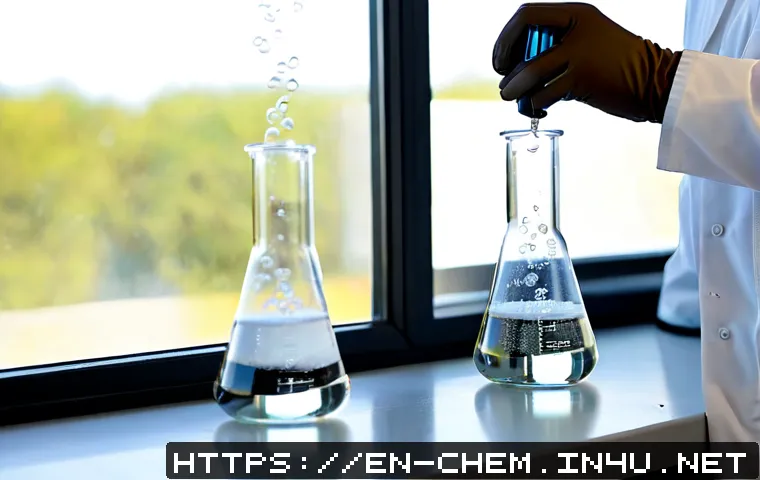
A catalyst makes a chemical reaction happen faster by providing a pathway with lower activation energy. It is not used up overall, and it does not change the equilibrium position of a reversible reaction.
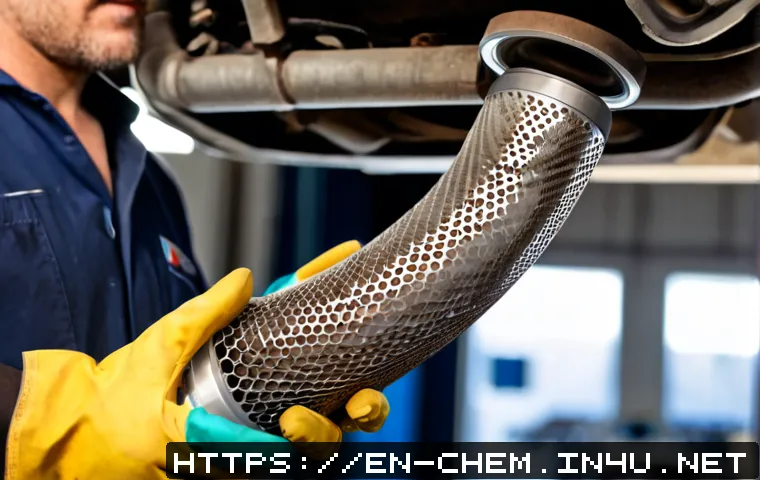
Catalysts are useful when reaction speed, selectivity, recovery, or operating control matters. The right option depends on the reactants, desired product, purity needs, equipment, and safety limits.
For simple learning activities, the goal is usually to observe the reaction principle clearly. For laboratory development or production, comparing chemical suppliers, catalyst specifications, and technical process support can help prevent costly mismatches.
At a Glance
- A catalyst increases reaction rate by creating an alternative pathway with lower activation energy.
- A catalyst may take part in intermediate steps, but it is not consumed overall in the reaction.
- Catalysts help reversible reactions reach equilibrium faster, but they do not change the final equilibrium position.
| Catalyst Type | Typical Fit | Recovery Difficulty | Reuse Potential | Purchasing Considerations |
|---|---|---|---|---|
| Homogeneous catalyst | Reactions where close mixing and reaction control are useful | Often more difficult because it is in the same phase as reactants | Depends on separation and stability | Check purity requirements, compatibility, and separation needs |
| Heterogeneous catalyst | Surface-based reactions and processes where recovery is important | Often easier when the catalyst is in a different phase | May be suitable for reuse if activity remains stable | Compare surface properties, operating conditions, and recovery options |
| Enzyme | Biological reactions requiring controlled and selective activity | Varies with the reaction setup | Depends on stability and handling conditions | Review storage, operating conditions, and contamination risks |
How Catalysts Make Reactions Faster
A catalyst is useful when a reaction can occur but proceeds too slowly under the available conditions. Its main role is to provide a route that requires less energy to begin. This can improve reaction efficiency without changing the basic chemical balance of the overall reaction.
Activation Energy and the Alternative Reaction Pathway
Many reactions need an initial energy input before reactants can become products. This requirement is called activation energy. A catalyst offers an alternative reaction pathway with lower activation energy, so a greater portion of reacting particles can follow that pathway under the same general conditions.
This is why catalysts are important in laboratory chemistry and industrial process design. A useful catalyst is not simply one that makes a reaction faster. It should also fit the available temperature, pressure, concentration, equipment, and purity requirements.
Why a Catalyst Is Not Used Up Overall
A catalyst can participate in intermediate reaction steps. It may temporarily interact with reactants, form an intermediate species, or provide an active surface where molecules react. However, after the full reaction cycle, the catalyst is regenerated overall rather than permanently consumed.
That does not mean a catalyst lasts forever. Activity can decline through poisoning, fouling, sintering, or chemical degradation. A laboratory or production team should distinguish between the chemical principle of regeneration and the practical question of usable catalyst lifetime.
What Catalysts Cannot Change: Equilibrium and Reaction Yield Limits
A common misunderstanding is that a catalyst automatically creates more product at equilibrium. It does not. In a reversible reaction, a catalyst speeds up both the forward and reverse reactions, helping the system reach equilibrium faster without changing the overall equilibrium position.
Reaction speed and final product amount are different questions. A faster process may still have limits related to equilibrium, selectivity, reactant quality, separation, or operating conditions. Avoid choosing a catalyst based only on a fast initial reaction rate.
Main Catalyst Types and Where They Fit
The broad type of catalyst affects mixing, recovery, reuse, waste handling, and equipment choices. Understanding the phase relationship between catalyst and reactants is a practical starting point when comparing laboratory catalysts or industrial process options.
Homogeneous Catalysts: Mixing, Control, and Separation Challenges
Homogeneous catalysts are in the same phase as the reactants. When reactants are in a solution, for example, the catalyst may also be dissolved in that solution. This can allow close contact between catalyst and reactants and may support controlled reaction behavior.
The trade-off is separation. If the catalyst remains mixed with the reaction mixture, recovering it afterward can be more challenging. Before purchasing a dissolved catalyst or selecting a chemical supplier, consider how the final product will be purified and whether catalyst residues matter for the intended application.
Heterogeneous Catalysts: Surfaces, Recovery, and Reuse
Heterogeneous catalysts are in a different phase from the reactants. A common practical feature is that reactions occur at or near the catalyst surface. Surface area can therefore influence performance, along with temperature, pressure, concentration, and contaminants.
Because the catalyst is in a separate phase, recovery may be more straightforward in some setups. This can make heterogeneous catalysts appealing when reuse, process consistency, or downstream separation is important. Still, surface materials can lose activity through fouling, poisoning, sintering, or degradation, so reuse should be evaluated rather than assumed.
Enzymes: Selective Reactions Under Controlled Conditions
Enzymes are biological catalysts that help regulate chemical reactions in living organisms. In applied settings, they can be considered when selective reactions under controlled conditions are important. Their performance can be affected by reaction conditions, contamination, concentration, and temperature.
An enzyme is not automatically the best choice because it is biological. Selection should consider the reactants, desired product, required purity, operating conditions, and handling constraints. Storage instructions and compatibility information from a laboratory supplier are especially relevant for materials whose activity depends on careful conditions.
Comparing Performance, Cost, and Practical Value
A catalyst decision should combine chemistry with operations. The most active material is not always the most practical option if it is hard to recover, requires difficult waste handling, or loses activity under the planned reaction conditions.
Activity, Selectivity, Stability, and Operating Conditions
Activity concerns how effectively a catalyst increases reaction rate. Selectivity concerns whether it supports the desired product rather than unwanted pathways. Stability concerns whether activity remains suitable during use and under the planned conditions.
Review the intended temperature, pressure, reactant concentration, and contact conditions before comparing products. For surface-based catalysts, surface area may also matter. A specification sheet is useful only when it is read alongside the actual reaction and equipment limits.
Purchase Price Versus Recovery, Reuse, and Disposal Costs
The purchase price of a catalyst is only one part of the decision. Recovery options, potential reuse, separation requirements, contamination risk, and disposal planning can affect the total practical cost. These details vary by material, quantity, supplier, and region.
A reusable solid catalyst may appear attractive when recovery is straightforward, but reuse is worthwhile only if the material maintains suitable activity and does not create unacceptable purity or waste issues. A dissolved catalyst may fit a reaction well, yet its downstream separation needs may change the overall process value.
When Lab-Scale Testing or Outside Process Support May Be Worthwhile
Lab-scale testing can be useful when there is uncertainty about activity, selectivity, stability, or separation. It can also help identify whether contamination or operating conditions are reducing performance. For complex or production-focused work, outside technical consultation or industrial process support may be worth considering when the consequences of an incorrect selection are significant.
When comparing laboratory services or process equipment options, focus on what can be verified: operating compatibility, handling requirements, recovery approach, and waste-management needs. Do not assume that a faster reaction alone makes a process safer, less expensive, or more environmentally suitable.
Common Handling Errors and Safety Considerations

Catalyst performance is closely connected to handling. A suitable catalyst can still perform poorly if operating conditions, cleanliness, storage, or waste planning are overlooked.
Using Unsuitable Temperature, Concentration, or Catalyst Loading
Using more catalyst does not always produce a better result. Performance may be affected by temperature, pressure, concentration, surface area, and reaction conditions. Adding more material without understanding the limiting factor can complicate separation, increase waste, or make results harder to interpret.
Start with a defined reaction plan and confirm the conditions appropriate for the material being considered. For teaching settings, choose low-risk demonstrations that clearly show the catalytic principle without turning the activity into an uncontrolled experiment.
Contamination, Catalyst Poisoning, and Loss of Activity
Contamination can interfere with catalyst performance. Some catalysts lose activity through poisoning, fouling, sintering, or chemical degradation. A sudden drop in reaction rate does not automatically prove that the catalyst itself was unsuitable; reaction conditions, feed quality, and handling should also be reviewed.
Keep materials properly identified and avoid assuming that a catalyst can tolerate every reactant, solvent, or impurity. Supplier documentation and laboratory compatibility procedures are useful checkpoints before use.
Storage, Compatibility Checks, and Waste-Management Planning
Safe catalyst handling begins before the reaction starts. Check storage guidance, material compatibility, required protective measures, separation plans, and disposal requirements. These requirements can vary by catalyst material, supplier, quantity, and location.
Waste planning should not be an afterthought. A catalyst that is difficult to separate or dispose of may not be the best operational choice, even if it performs well in a small trial. Confirm applicable local handling and disposal requirements before scaling a process.
Choosing an Approach for School, Laboratory, or Industrial Use
The same catalyst concept applies across settings, but the selection priorities are different. Educational work values clarity and low-risk observation, while research and production may place greater weight on purity, selectivity, consistency, recovery, and process control.
Educational Demonstrations and Low-Risk Examples
For students and lab learners, the goal is often to understand that a catalyst lowers activation energy and speeds a reaction without being consumed overall. Keep the explanation separate from claims about equilibrium: a catalyst changes how quickly equilibrium is reached, not where equilibrium lies.
Use materials and procedures appropriate to the learning environment, and follow institutional safety rules. A demonstration should be selected for clear observation and manageable handling, not simply for the fastest visible result.
Research Applications Requiring Purity or Selectivity
Research applications may require closer attention to product purity, selectivity, catalyst residues, and separation methods. Homogeneous and heterogeneous options can lead to different downstream requirements. Enzymes may also require controlled conditions to retain useful activity.
Before ordering laboratory catalysts, compare technical documentation for compatibility with the reaction plan. If purity requirements are strict, ask how the catalyst will be separated from the intended product and how potential contamination will be evaluated.
Production Settings Focused on Throughput, Consistency, and Recovery
Production settings often focus on throughput, consistent operation, catalyst recovery, and reliable waste handling. A heterogeneous catalyst may be attractive where recovery and reuse are practical, while a homogeneous catalyst may be considered where reaction control or mixing behavior is a stronger priority.
Industrial process decisions should account for the full operating picture: reactants, desired product, equipment, safety constraints, operating conditions, and disposal requirements. Technical service providers can help assess these factors when internal testing does not answer the key process questions.
Selection Criteria and Comparison Summary
Before selecting a catalyst, check reaction compatibility, desired product and purity needs, operating temperature and pressure, separation and recovery method, reuse potential, and waste-handling requirements. Ask whether the catalyst is homogeneous, heterogeneous, or biological, then consider how that form affects mixing and cleanup. Compare activity, selectivity, and stability under the actual reaction conditions rather than treating one specification as a complete answer. Confirm availability, pricing, recovery options, and disposal requirements directly with chemical suppliers because these can vary by material, quantity, supplier, and region.
When reviewing laboratory suppliers, process equipment, or technical consultation services, look for official product documentation, compatibility details, and handling guidance on the relevant provider page.
Closing Thoughts
Catalysts are central to reaction efficiency because they provide a lower-energy pathway. They can make a process reach equilibrium faster, but they do not change the equilibrium position itself. The best catalyst choice depends on more than reaction speed: recovery, stability, separation, safety, and waste handling all matter. A careful comparison is usually more useful than assuming one catalyst type is always better.
Useful Information to Remember
1. A catalyst can participate in reaction steps without being consumed overall.
2. Homogeneous catalysts mix with reactants, while heterogeneous catalysts are in a different phase.
3. Enzymes are biological catalysts whose activity can depend strongly on controlled conditions.
4. Contamination and unsuitable conditions can reduce catalyst activity.
5. Recovery and disposal planning can be as important as initial reaction speed.
Important Considerations
No single catalyst is best for every reaction. Suitability depends on the reactants, intended product, operating conditions, purity requirements, safety constraints, and practical recovery options. Pricing, availability, reuse possibilities, and disposal requirements should be confirmed with the relevant supplier or service provider. A faster reaction should not be treated as proof that a process is safer, cheaper, or environmentally preferable.
Frequently Asked Questions
Q1. What is the main role of a catalyst in a chemical reaction?
A1. A catalyst increases the reaction rate by providing an alternative pathway with lower activation energy. It is not consumed overall, although it may participate in intermediate reaction steps.
Q2. Does a catalyst change the amount of product formed at equilibrium?
A2. No. A catalyst does not change the overall equilibrium position of a reversible reaction. It helps the forward and reverse reactions reach equilibrium faster.
Q3. How should a laboratory choose between a reusable solid catalyst and a dissolved catalyst?
A3. Compare the reaction requirements, desired product purity, operating conditions, separation method, recovery needs, stability, and waste handling. A reusable solid catalyst may be easier to recover in some setups, while a dissolved catalyst may create different mixing or control advantages but can be harder to separate.