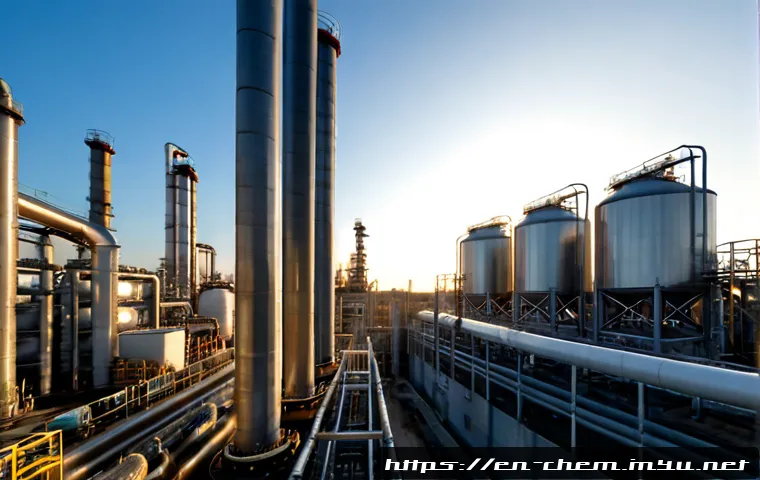
Petrochemicals begin with hydrocarbon feedstocks and move through conversion processes into materials such as plastics, solvents, fibers, and industrial intermediates.

The most practical comparison starts with feedstock availability, energy exposure, product flexibility, logistics, and the supplier’s ability to support the asset over its full operating life.
For procurement and project teams, the lowest equipment or material quote is only one part of the decision. Maintenance requirements, process safety, emissions-control capability, documentation, and delivery reliability can materially affect total cost.
Producers may focus on utilization and automation, while industrial buyers often need consistent specifications and dependable supply terms. A clear value-chain view helps each group ask better questions before choosing an engineering service, automation system, equipment package, or chemical supplier.
At a Glance
- Feedstock choice affects cost exposure, product mix, energy needs, and logistics planning.
- Steam cracking is a major route for light olefins, while refinery-related processes can provide aromatic feedstocks.
- Supplier selection should compare lifecycle support, safety documentation, reliability, and delivered cost—not just the initial quote.
| Production Route | Primary Decision Advantage | Key Exposure | Planning Focus |
|---|---|---|---|
| Ethane-based | Can be attractive where natural gas liquids are readily available | Feedstock availability and transport dependence | Secure supply, cracker configuration, logistics resilience |
| Propane-based | Provides another light-feedstock option for olefin production | Energy and feedstock market exposure | Feedstock sourcing, product planning, operating flexibility |
| Naphtha-based | Can support a broader downstream building-block slate | Refinery linkage, energy use, and shipping constraints | Product flexibility, aromatics integration, port logistics |
| Refinery-linked streams | Potential integration with existing refining operations | Operational coordination and feedstock quality variation | Site integration, specifications, reliability planning |
What the Value Chain Produces and Why It Matters
From Hydrocarbon Feedstock to Basic Chemical Building Blocks
Petrochemicals are chemical products made primarily from hydrocarbon feedstocks, including natural gas liquids, naphtha, and refinery streams. These inputs are processed into building blocks such as ethylene, propylene, benzene, toluene, and xylene. Those building blocks then move into downstream chemical manufacturing, where they can become resins, solvents, fibers, coatings ingredients, detergents, and other industrial materials.
The value chain matters because one upstream choice can influence many later decisions. A change in feedstock availability may affect production scheduling, product mix, storage needs, transportation arrangements, and customer commitments. Teams evaluating chemical manufacturing assets should therefore look beyond the main process unit and assess the full path from supply point to delivered product.
Common End Markets: Packaging, Construction, Transport, and Consumer Goods
Petrochemical derivatives are used across packaging, construction materials, textiles, automotive components, electronics, detergents, paints, and medical products. Each end market may place different emphasis on specification consistency, supply continuity, material design, or recycling options. A packaging buyer may prioritize dependable resin specifications, while a construction-material producer may place more weight on long-term supply and transport reliability.
For companies reviewing recycled or lower-carbon material options, the relevant question is not simply whether an alternative is available. The team should confirm the material specification, processing compatibility, supply arrangement, and documentation needed for its intended use.
The Three Decisions That Shape Cost, Reliability, and Product Quality
First, select a feedstock route that fits available supply and desired product flexibility. Second, determine whether the process configuration, engineering services, and process automation systems can support safe and stable operation. Third, evaluate whether the supplier or contractor can provide documentation, maintenance planning, and lifecycle support after commissioning. These decisions are connected: a flexible design may require more complex operations, while a lower upfront equipment cost may increase maintenance or downtime risk later.
Feedstock and Production Route Comparison
Ethane, Propane, Naphtha, and Refinery-Linked Feedstocks
Ethane, propane, and naphtha are not interchangeable in every operating context. Their availability, logistics requirements, energy exposure, and downstream product potential can differ. Ethane and propane are associated with natural gas liquids, while naphtha and other refinery-linked streams may be tied more closely to refining operations and marine or terminal logistics.
A procurement team should examine feedstock quality, supply continuity, storage capability, transport routes, and contract structure. It is also important to consider what happens when a shipment is delayed, a regional capacity addition changes available supply, or currency movements affect imported inputs.
Steam Cracking, Aromatics Production, and Downstream Conversion
Steam cracking is a major process used to produce light olefins, including ethylene and propylene. Catalytic reforming and other refinery processes can supply aromatic feedstocks. The downstream conversion stage turns these building blocks into products suited to industrial and consumer applications.
Technology selection should not be separated from operating realities. A process may appear favorable on a simplified feedstock comparison but create additional needs for utilities, emissions-control systems, specialized maintenance, or operator training. Engineering contractors and process automation providers should be evaluated on how clearly they address these requirements.
Comparison Table: Flexibility, Energy Exposure, Logistics, and Capital Needs
The early table is a planning framework rather than a profitability ranking. Ethane-based routes may emphasize natural-gas-liquids supply access. Propane-based routes require their own sourcing and operating assessment. Naphtha-based routes can support a broader building-block slate but may involve refinery and shipping considerations. Capital needs are also site-specific because facilities typically require significant investment in specialized engineering, safety systems, utilities, and maintenance planning.
What Drives Production Cost and Commercial Value
Feedstock Pricing, Energy Consumption, Plant Utilization, and Transport
Production cost is shaped by feedstock availability, energy prices, plant utilization, logistics, and environmental compliance. Global trade adds another layer: producers and buyers may be exposed to shipping constraints, regional capacity additions, and currency movements. These factors can change the delivered-cost picture even when the quoted price of a material or service looks competitive.
For an industrial buyer, the useful comparison is often total delivered cost: product specification, freight, supply reliability, handling requirements, and the cost of disruption. For a producer, utilization and reliable operations can be as important as the feedstock decision itself.
Capital Expenditure Versus Operating Expenditure
Petrochemical facilities require specialized engineering, process safety systems, maintenance planning, and capital equipment. A lower capital proposal may not include the same automation scope, spare-parts strategy, commissioning support, emissions monitoring, or documentation as another proposal. That does not automatically make it unsuitable, but it makes scope comparison essential.
Ask suppliers to separate what is included in the equipment package from what remains the owner’s responsibility. This can clarify whether integration, controls, inspection support, training, long-term service, or maintenance tools are outside the stated price.
Why Contract Terms, Supply Reliability, and Specifications Affect Total Cost
A material that meets a broad description may still differ in specifications important to a downstream process. Likewise, a supply agreement may appear attractive until logistics responsibilities, quality procedures, delivery terms, or disruption handling are reviewed. Clear documentation reduces the risk of comparing unlike proposals.
Where market intelligence or feedstock procurement services are being considered, request a transparent explanation of coverage, update process, assumptions, and intended decision use. Current product prices, margins, regional demand, and feedstock spreads require separate verification at the time of a decision.
Operational Risks, Safety Controls, and Common Planning Mistakes
Process Safety, Maintenance Planning, and Equipment Reliability
Process safety is fundamental in petrochemical operations. Facilities require appropriate safety systems, disciplined maintenance planning, and equipment reliability practices. When reviewing an engineering or industrial equipment proposal, ask how the supplier addresses operating conditions, inspection access, critical spares, controls integration, and service response.
Reliability is not a single specification. It depends on equipment design, installation quality, operator readiness, maintenance capability, and the availability of support over time.

Compliance, Emissions Monitoring, and Waste-Management Considerations
Environmental compliance can materially affect project planning and operating cost. Emissions-control systems, monitoring requirements, waste-management arrangements, and permitting obligations should be examined for the specific site. Recycling, circular-material design, and emissions reduction are increasingly relevant when companies select materials or define project requirements.
Do not assume that a general product claim or equipment feature will satisfy local requirements. Site-specific regulatory, permitting, safety, and environmental needs must be confirmed with appropriate local and technical sources.
Mistakes to Avoid When Comparing Low-Cost Industrial Proposals
A common mistake is treating two proposals as equivalent because they describe similar equipment. Check whether both include the same engineering scope, automation architecture, safety features, commissioning assistance, warranty terms, maintenance support, and documentation. Another mistake is overlooking logistics: large equipment, feedstocks, and finished chemicals all depend on practical transport and storage arrangements.
Also avoid selecting a contractor solely on a short technical summary. Request clarification on interfaces with existing systems, responsibilities during startup, and how operational issues will be handled after handover.
Practical Paths for Producers, Buyers, and Project Teams
For Producers Evaluating Capacity Upgrades or Process Automation
Producers evaluating upgrades should define the operational problem first: capacity constraint, reliability issue, product-quality requirement, energy exposure, or compliance need. Then compare process automation, engineering services, and equipment options against that defined need. A useful request for proposal states the existing process boundaries, desired operating outcome, documentation requirements, and expected lifecycle support.
For Industrial Buyers Sourcing Resins, Solvents, or Intermediates
Industrial buyers should compare suppliers on more than commercial terms. Review specification control, supply reliability, packaging or bulk-delivery capability, logistics responsibilities, and procedures for handling nonconforming material. If recycled or circular-material options are under review, confirm their suitability for the intended process rather than assuming a direct substitution.
For Project Teams Comparing Engineering Contractors and Service Providers
Project teams should assess whether an engineering contractor understands the process, site interfaces, safety expectations, and handover needs. For long-term service providers, examine maintenance planning, spare-parts support, diagnostic capability, reporting, and escalation procedures. The best fit depends on the facility and scope; no provider or production route can be identified as universally best without project-specific evaluation.
Selection Criteria and Comparison Summary
Before requesting engineering, automation, maintenance, or chemical-market-data quotes, use this neutral checklist:
- Technical fit: Does the proposal address the actual feedstock, process, specification, and site interface?
- Lifecycle support: Are commissioning, maintenance planning, spare parts, training, and service responsibilities clear?
- Safety and compliance: Does the scope explain relevant safety systems, emissions-control needs, and documentation?
- Commercial clarity: Are logistics, exclusions, contract responsibilities, and delivered-cost assumptions stated?
- Operational resilience: Is there a practical approach to supply interruptions, equipment downtime, and quality issues?
Prioritize flexibility when feedstock or product mix may change, reliability when disruption is costly, and compliance when site obligations are central. Prioritize the lowest delivered cost only after confirming that scope, quality, logistics, and support are comparable. For detailed conditions, review the official scope, service terms, and technical documentation provided by each supplier.
Closing Thoughts
The petrochemical value chain links feedstocks, conversion technology, logistics, and downstream material demand. Sound decisions come from comparing the full operating picture rather than a single price or equipment feature. Producers, buyers, and project teams may have different priorities, but all benefit from clear specifications and realistic lifecycle planning. Current market conditions and site requirements should be verified before making an investment or sourcing commitment.
Useful Things to Know
1. Ethylene, propylene, and aromatic compounds are important building blocks for downstream manufacturing.
2. Shipping constraints and regional capacity changes can affect globally traded petrochemical products.
3. Recycling and circular-material design are becoming more relevant in material and project planning.
4. Process automation can support operations, but it should be evaluated alongside safety, maintenance, and integration requirements.
Important Considerations
This guide does not determine current prices, margins, demand conditions, feedstock spreads, or project profitability. Regulatory, permitting, safety, and environmental requirements vary by site and require specific verification. A supplier, contractor, or technology choice should be based on a detailed technical and commercial review rather than a general industry comparison.
Frequently Asked Questions
Q1. What are the main products made from petrochemical feedstocks?
A1. Hydrocarbon feedstocks can be converted into building blocks such as ethylene, propylene, benzene, toluene, and xylene. Downstream derivatives are used in plastics, solvents, fibers, packaging, construction materials, automotive components, electronics, detergents, paints, and medical products.
Q2. Which factors have the biggest effect on petrochemical production costs?
A2. Major factors include feedstock availability, energy prices, plant utilization, logistics, environmental compliance, and the capital and maintenance requirements of the facility. For globally traded products, shipping constraints, regional capacity additions, and currency movements can also affect commercial outcomes.
Q3. How should a company compare petrochemical suppliers or engineering contractors?
A3. Compare technical capability, scope clarity, safety systems, lifecycle support, maintenance planning, documentation, logistics responsibilities, and contract terms. A low initial quote should be reviewed against downtime risk, compliance needs, service coverage, and total delivered cost.