Choosing to study chemistry at the university level opens the door to a fascinating blend of theory and hands-on experimentation. From mastering the basics of atomic structure to exploring complex organic reactions, the curriculum is designed to build a strong foundation while encouraging critical thinking.

Over the years, I’ve noticed how these courses evolve to include cutting-edge research and real-world applications, making the learning experience both challenging and rewarding.
Whether you’re aiming for a career in pharmaceuticals, environmental science, or academia, understanding the structure of a chemistry program is essential.
Let’s dive into the details and uncover what makes this curriculum truly exciting!
Exploring the Foundations of Chemistry
The Building Blocks: Atoms and Molecules
Understanding chemistry starts with grasping the nature of atoms and molecules. These tiny particles form the universe’s fabric, and their interactions dictate everything from the air we breathe to the food we eat.
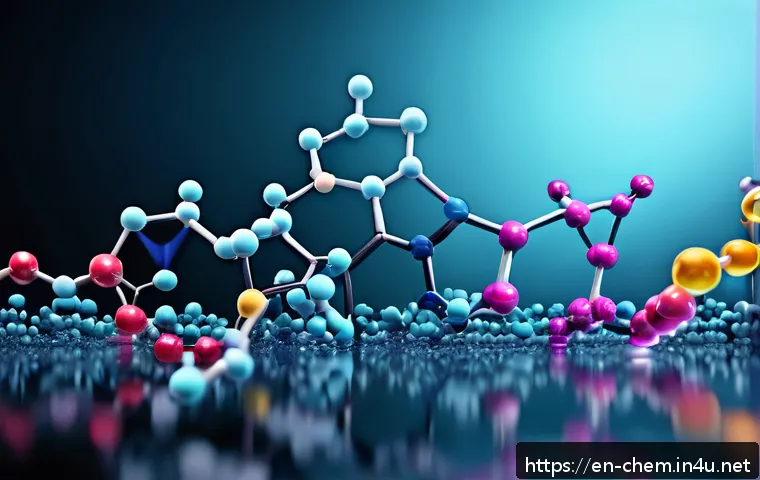
I remember my early days in the lab, fascinated by how a simple change in molecular structure could result in dramatically different substances. Delving into atomic theory, electron configurations, and bonding types gives students the tools to predict and explain chemical behavior.
This foundational knowledge is essential, as it underpins every other topic in the curriculum.
Mastering Chemical Reactions and Stoichiometry
Once the basics are clear, the curriculum moves into chemical reactions—the heart of chemistry. Balancing equations, calculating reactants and products, and understanding reaction types can initially seem daunting.
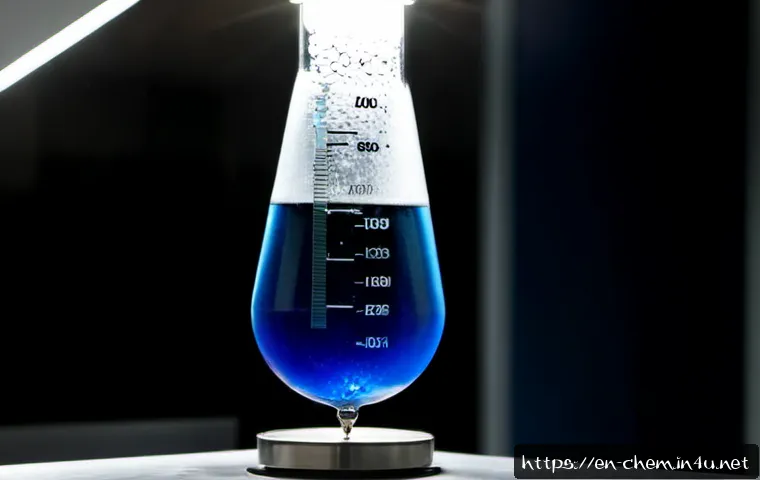
Yet, through hands-on experiments, like titrations or synthesis, these concepts become tangible. I’ve found that actively working through problems and observing reactions firsthand makes the theory come alive.
It’s not just about memorizing formulas but developing an intuition for how substances interact under various conditions.
Thermodynamics and Kinetics: The Forces Behind Change
Chemistry isn’t static; it’s dynamic and full of energy transformations. Thermodynamics teaches how energy moves in reactions, while kinetics reveals the speed and pathways reactions follow.
When I first encountered these topics, the math felt intimidating, but seeing real experiments where temperature or catalysts changed reaction rates was eye-opening.
This section of the curriculum challenges students to think critically about why reactions proceed or stall, providing a bridge between theory and practical application.
Organic Chemistry: The Chemistry of Life
Understanding Carbon’s Versatility
Organic chemistry introduces students to the world of carbon-based compounds, which are the foundation of all living things. The complexity here is staggering—different functional groups, stereochemistry, and reaction mechanisms create a rich landscape to explore.
I recall the first time I synthesized a simple ester in the lab; it was thrilling to connect textbook reactions to something tangible. This part of the curriculum hones problem-solving skills and deepens understanding of molecular architecture.
Mechanisms and Reaction Pathways
One of the most challenging yet rewarding aspects of organic chemistry is learning reaction mechanisms. These step-by-step processes explain how bonds break and form.
At first, I struggled with the abstract arrows and electron flow, but with practice, it became a logical puzzle. Professors often emphasize understanding rather than memorization here, encouraging students to predict outcomes and design their own syntheses—skills invaluable for research or industry roles.
Applications in Pharmaceuticals and Materials
Organic chemistry’s real-world impact is undeniable. From drug development to creating new polymers, this branch connects directly to many industries.
I’ve seen classmates go on to internships where they apply these concepts to develop better medicines or sustainable materials. The curriculum often includes case studies or project work that highlight these connections, making the learning experience relevant and motivating.
Analytical Techniques and Instrumentation
Essential Tools for Chemical Analysis
Modern chemistry relies heavily on instrumentation to analyze substances accurately. Techniques like spectroscopy, chromatography, and mass spectrometry are staples in the curriculum.
When I first used an NMR spectrometer, it was like unlocking a secret code about molecular structure. These tools not only provide data but teach students how to interpret complex information critically, a skill that’s crucial in research and industry.
Quantitative vs. Qualitative Analysis
Students learn the difference between measuring exact quantities and identifying substances. I found that practical sessions where we performed both types of analysis helped cement these concepts.
For example, determining the concentration of a solution via titration (quantitative) versus identifying unknown compounds through infrared spectroscopy (qualitative) illustrates chemistry’s dual nature—precision and discovery.
Integrating Technology with Traditional Methods
While classic wet-lab techniques remain important, integrating digital data analysis and automation is increasingly emphasized. This blend prepares students for modern labs, where efficiency and accuracy go hand in hand.
From my experience, learning to use software for data processing alongside hands-on experiments significantly enhances understanding and job readiness.
The Role of Physical Chemistry in Understanding Matter
Bridging Physics and Chemistry
Physical chemistry explores the principles governing matter at a fundamental level, combining thermodynamics, quantum mechanics, and statistical mechanics.
I recall the initial challenge of grappling with the abstract math, but applying these concepts to real chemical systems made the effort worthwhile. This area fosters a deep appreciation of how molecular behavior links to observable phenomena.
Quantum Chemistry: The Molecular World in Detail
Quantum chemistry reveals the probabilistic nature of electrons and molecular orbitals. Learning about wavefunctions and energy levels was a turning point for me—it transformed chemistry from a set of rules to a dynamic, predictive science.
The curriculum often includes computational exercises, which allow students to visualize molecules and their interactions, making the abstract more concrete.
Practical Implications in Materials Science
Physical chemistry principles are vital in developing new materials, from semiconductors to catalysts. Understanding energy landscapes and reaction dynamics guides innovation in fields like renewable energy and nanotechnology.
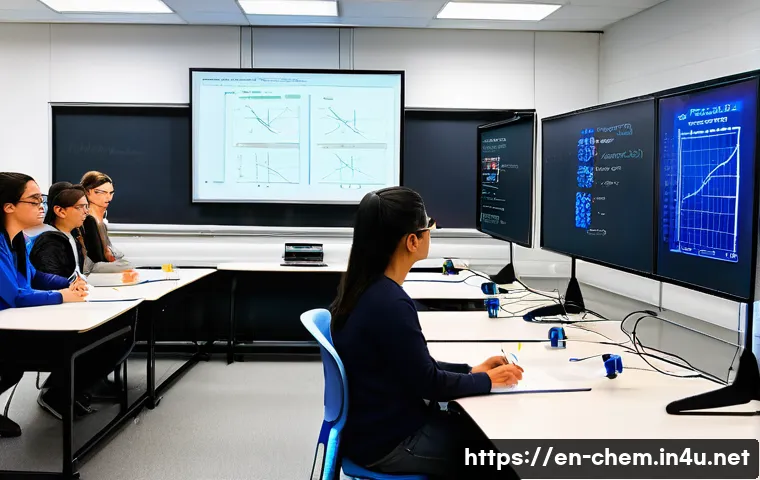
Coursework typically encourages students to connect theory with cutting-edge research, bridging classroom learning and real-world challenges.
Biochemistry and the Molecular Basis of Life
Exploring Biomolecules and Their Functions
Biochemistry delves into proteins, nucleic acids, lipids, and carbohydrates—the building blocks of life. Studying enzyme mechanisms and metabolic pathways reveals the chemical logic behind biological processes.
I always found it fascinating how slight molecular changes could have massive biological effects. The curriculum often integrates lab work with molecular biology techniques, providing a comprehensive understanding.
Techniques in Molecular Biology
From electrophoresis to chromatography, students learn essential methods for analyzing biomolecules. I remember how hands-on experiments with DNA extraction and enzyme assays made the material come alive.
These techniques not only teach practical skills but also deepen conceptual knowledge by linking structure to function.
Applications in Medicine and Biotechnology
Biochemistry’s applications are vast, including drug development, diagnostics, and genetic engineering. The curriculum often highlights these through case studies or collaborative projects.
Seeing how biochemical principles translate into therapies or biotechnological innovations provides students with a sense of purpose and direction.
Environmental Chemistry and Sustainable Practices
Understanding Chemical Impact on the Environment
Environmental chemistry focuses on how chemicals interact with air, water, and soil. The curriculum emphasizes pollution, toxicology, and remediation techniques.
I’ve participated in projects measuring water quality, which underscored the real-world importance of this knowledge. It’s a sobering yet motivating area that challenges students to think about chemistry’s role in sustainability.
Green Chemistry Principles
Green chemistry aims to design products and processes that reduce hazardous substances. Learning these principles encourages innovative thinking about waste reduction and resource efficiency.
I found that incorporating green chemistry into labs and projects made the work feel more relevant and responsible.
Policy and Ethical Considerations
Environmental chemists often engage with regulations and ethical issues surrounding chemical use. The curriculum sometimes includes discussions or seminars on these topics, preparing students to navigate the complex interplay between science, society, and policy.
This broader perspective enriches their professional development.
Core Skills Development: From Lab Techniques to Critical Thinking
Laboratory Safety and Best Practices
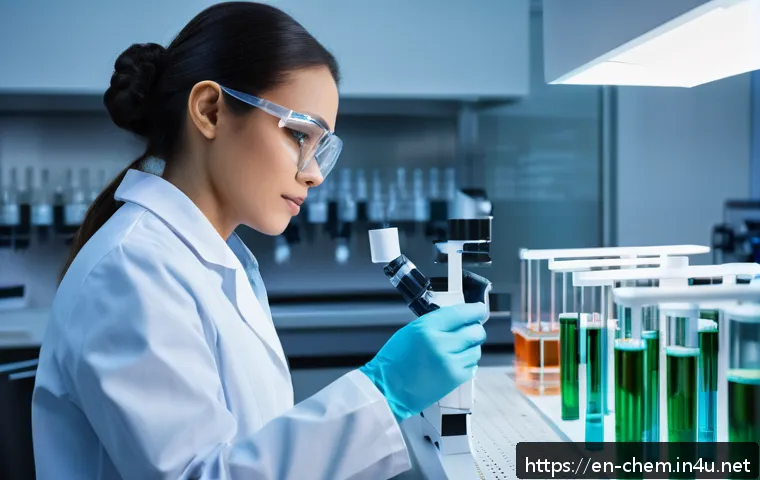
Safety is paramount in chemistry education. Early training in proper handling, waste disposal, and emergency response sets the tone for responsible lab work.
I can’t stress enough how these habits have stayed with me throughout my career. The curriculum integrates safety with every lab session, ensuring it becomes second nature.
Data Analysis and Scientific Communication
Beyond experiments, interpreting data and communicating findings are critical. Writing lab reports, presenting results, and peer discussions sharpen these skills.
I’ve found that clear communication often distinguishes successful scientists, making this an essential component of the program.
Problem Solving and Research Skills
Chemistry education encourages a mindset of inquiry and resilience. Whether troubleshooting experiments or designing new studies, students learn to think critically and adapt.
My personal experience shows that these skills extend far beyond the classroom, proving invaluable in diverse career paths.
| Curriculum Component | Key Topics | Typical Activities | Applications |
|---|---|---|---|
| Foundations | Atomic theory, bonding, stoichiometry | Balancing equations, lab titrations | General chemistry understanding |
| Organic Chemistry | Functional groups, mechanisms, synthesis | Reaction mechanisms, synthesis labs | Pharmaceuticals, materials |
| Analytical Techniques | Spectroscopy, chromatography | Instrument operation, data analysis | Quality control, research |
| Physical Chemistry | Thermodynamics, quantum chemistry | Computational modeling, kinetics experiments | Materials science, catalysis |
| Biochemistry | Enzymes, metabolic pathways | Protein assays, DNA analysis | Medicine, biotech |
| Environmental Chemistry | Pollution, green chemistry | Water testing, sustainability projects | Environmental protection |
| Core Skills | Lab safety, data analysis, communication | Lab protocols, report writing | Professional development |
In Conclusion
Chemistry is a vast and fascinating field that connects deeply with everyday life and advanced scientific research. Mastering its foundations opens doors to understanding complex processes and innovative technologies. Whether in the lab or industry, the skills gained through studying chemistry are invaluable. Embracing both theory and practical experience enriches learning and inspires future discoveries.
Useful Information to Keep in Mind
1. Consistent practice with chemical equations and lab work helps build a strong grasp of core concepts and improves problem-solving abilities.
2. Understanding reaction mechanisms in organic chemistry is crucial for designing new compounds and advancing pharmaceutical research.
3. Familiarity with analytical instruments like NMR and chromatography enhances your capability to interpret data accurately.
4. Integrating computational tools with traditional experiments prepares you for modern scientific environments and boosts efficiency.
5. Awareness of environmental chemistry and green chemistry principles encourages responsible and sustainable scientific practices.
Key Takeaways
Building a solid foundation in atomic theory and chemical reactions is essential for progressing in chemistry. Hands-on experience and critical thinking play a major role in internalizing complex topics such as thermodynamics and kinetics. Organic chemistry challenges you to understand molecular behavior deeply, while analytical techniques sharpen your ability to analyze and interpret data. Physical and biochemistry link chemical principles to real-world applications, including medicine and materials science. Finally, prioritizing lab safety and effective communication equips you for success beyond the classroom.
Frequently Asked Questions (FAQ) 📖
Q: What foundational topics are covered in a university chemistry program?
A: A typical chemistry program starts with fundamental concepts such as atomic structure, chemical bonding, and stoichiometry. These basics are crucial because they set the stage for understanding more complex subjects like organic chemistry, physical chemistry, and analytical techniques.
From my experience, having a solid grasp of these early topics makes tackling advanced courses much more manageable and enjoyable.
Q: How does hands-on experimentation enhance learning in chemistry studies?
A: Lab work is where theory truly comes alive. Performing experiments helps students visualize and internalize concepts that might seem abstract in lectures.
For example, synthesizing compounds or analyzing reaction rates gives practical insight into chemical behavior. Personally, I found that the hands-on approach not only deepened my understanding but also sparked curiosity and creativity, which are essential for success in scientific careers.
Q: What career opportunities can a degree in chemistry lead to?
A: A chemistry degree opens doors to diverse fields such as pharmaceuticals, environmental science, materials development, and academic research. Many graduates find themselves working in labs developing new medicines, analyzing pollutants, or innovating sustainable materials.
From what I’ve seen, the versatility of chemistry allows you to pivot into various industries, making it a smart choice if you want a dynamic and impactful career path.