Understanding chemistry goes far beyond textbooks and laboratories; it deeply influences our daily lives and societal progress. From the development of sustainable energy solutions to advances in medicine, chemistry shapes the world around us in profound ways.
Yet, public perception often overlooks its critical role and the ethical considerations tied to its applications. As technology evolves, fostering a well-informed society about chemical sciences becomes increasingly vital.
Let’s dive deeper and uncover how chemistry intertwines with social values and future challenges in the following discussion. We’ll explore these aspects in detail to give you a clear picture!
The Invisible Chemistry Behind Everyday Choices
How Household Products Reflect Chemical Innovation
When you stroll down the cleaning aisle or pick a skincare product, you’re interacting with chemistry in a deeply personal way. Many of these products are crafted through decades of chemical research, balancing efficacy with safety.
For instance, surfactants in detergents break down grease by altering surface tension—a simple concept with powerful practical effects. However, not all chemicals are created equal; some legacy ingredients have been phased out due to health or environmental concerns, pushing manufacturers to innovate greener alternatives.
From my own experience, switching to eco-friendly cleaning agents not only felt better for my family but also sparked my curiosity about how these formulas work beneath the surface.
This daily interaction with chemistry is a subtle but constant reminder of its role in our comfort and health.
The Chemistry of Food Preservation and Safety
Chemistry quietly ensures the food on our tables stays fresh and safe to eat. Preservatives like antioxidants and antimicrobials prevent spoilage and foodborne illnesses, which is crucial in a world reliant on long supply chains.
Understanding these chemicals often requires navigating a fine line between natural and synthetic additives, which can confuse consumers. I’ve noticed that educating myself about these ingredients helped me make more informed choices at the grocery store, especially when selecting products for my kids.
Beyond preservation, chemistry also plays a role in fortifying foods with vitamins and minerals, enhancing nutritional value. The invisible science behind food safety often goes unappreciated, but it’s a cornerstone of modern public health.
Environmental Chemistry in Urban Living
The air we breathe, the water we drink, and even the soil beneath our feet are all influenced by chemical processes, especially in urban areas. Pollution control, waste management, and water treatment rely heavily on chemical principles to mitigate harmful effects.
Cities implement chemical monitoring to track pollutants like nitrogen oxides and heavy metals, which affect both environmental and human health. From my own neighborhood’s water quality reports, I’ve learned how chemistry helps maintain safety standards, yet challenges persist with emerging contaminants.
The delicate balance of urban ecosystems depends on ongoing chemical research and responsible policies, reminding us that chemistry is essential for sustainable city life.
Ethical Considerations in Chemical Research and Industry
Balancing Innovation with Responsibility
The race to develop new chemicals and materials often raises ethical questions about environmental impact and human safety. Industries must weigh profit motives against long-term consequences, such as pollution or resource depletion.
I’ve seen firsthand how transparent companies that prioritize sustainable practices earn greater trust from consumers, reinforcing that ethics and business success can go hand in hand.
Ethical frameworks guide researchers to conduct studies with integrity, avoiding shortcuts that could lead to harmful outcomes. This ongoing dialogue between innovation and responsibility is crucial as society demands greener, safer technologies.
The Role of Regulation and Public Accountability
Regulatory bodies serve as watchdogs, ensuring chemicals entering the market meet safety standards. Yet, regulations can lag behind rapid scientific advancements, creating gaps that sometimes result in public exposure to harmful substances.
From my experience attending community meetings on chemical safety, I noticed a growing demand for greater transparency and quicker regulatory responses.
Public accountability also means industries must engage with communities, sharing risks and benefits openly. This dynamic fosters trust and encourages collaborative solutions to chemical challenges, highlighting the importance of governance in protecting public health.
Addressing Social Equity in Chemical Access and Impact
Chemical benefits and burdens are not distributed evenly across society. Vulnerable communities often face disproportionate exposure to toxic chemicals due to factors like proximity to industrial sites.
Conversely, access to beneficial chemical technologies, such as clean water treatment, can be limited in underserved areas. I remember volunteering in environmental justice projects where addressing these disparities was a priority, underscoring chemistry’s role in social equity.
Recognizing and correcting these imbalances requires not only scientific innovation but also policy interventions and community engagement to ensure that chemistry serves everyone fairly.
Emerging Technologies Shaping the Future of Chemistry
Green Chemistry and Sustainable Materials
The shift towards sustainability is driving revolutionary changes in chemical manufacturing. Green chemistry principles aim to reduce waste, avoid toxic substances, and use renewable resources.
I’ve experimented with DIY projects using biodegradable materials and noticed how these alternatives are becoming more accessible and effective. Innovations like bio-based plastics and catalysts that operate under mild conditions demonstrate how chemistry can align with environmental stewardship.
This evolution is not just a trend but a necessary transformation to meet global sustainability goals.
Artificial Intelligence Accelerating Chemical Discovery
AI is transforming how chemists design molecules and predict reactions, dramatically speeding up discovery processes. By analyzing vast datasets, AI models can identify promising compounds faster than traditional trial-and-error methods.
From chatting with researchers, it’s clear that this technology is a game changer, reducing costs and enabling more targeted development of drugs, materials, and catalysts.
However, it also raises questions about data quality and ethical use, reminding us that technology must be paired with expert judgment.
Personalized Medicine and Chemical Innovations
Chemistry underpins the burgeoning field of personalized medicine, tailoring treatments to an individual’s genetic and biochemical profile. Advances in chemical synthesis allow for custom-designed drugs with improved efficacy and fewer side effects.
I’ve followed stories of patients benefiting from these breakthroughs, which feel like a hopeful glimpse into the future of healthcare. This integration of chemistry and medicine exemplifies how chemical sciences directly enhance human well-being on a personalized level.
Public Engagement and Chemical Literacy
Bridging the Gap Between Scientists and Society
Effective communication about chemistry is essential to demystify the science and build public trust. Scientists must translate complex concepts into relatable narratives without oversimplifying.
I recall attending public lectures where engaging storytelling made topics like polymer chemistry surprisingly approachable. This connection encourages informed decision-making and counters misinformation that can lead to fear or skepticism about chemicals.

Educational Strategies to Foster Curiosity
Hands-on experiments, real-world examples, and interactive digital tools help spark interest in chemistry from a young age. In my experience tutoring students, showing how chemistry explains everyday phenomena—like cooking or cleaning—makes the subject relevant and exciting.
Incorporating ethical discussions also nurtures critical thinking about the societal implications of chemical advances.
Social Media’s Role in Shaping Chemical Awareness
Platforms like Instagram and YouTube have become valuable channels for science outreach, with influencers breaking down chemistry topics into digestible, entertaining content.
I’ve found that following such creators keeps me updated and inspired, proving that informal learning can be powerful. However, it requires vigilance to ensure accuracy and avoid sensationalism, making media literacy a key skill for consumers.
Challenges and Opportunities in Chemical Waste Management
The Complexity of Chemical Waste Streams
Chemical waste encompasses a wide variety of materials, from industrial solvents to pharmaceutical residues, each requiring specialized handling. I’ve seen how improper disposal can lead to persistent environmental contamination, highlighting the importance of understanding chemical interactions in waste.
Developing efficient sorting and treatment technologies is critical to minimize ecological harm.
Innovations in Recycling and Reuse
Advances in chemical recycling, such as depolymerization for plastics, offer promising routes to circular economy models. I recently visited a facility experimenting with chemical recycling methods that break down plastics into monomers for reuse, which felt like a tangible step towards reducing landfill waste.
These innovations not only conserve resources but also reduce greenhouse gas emissions associated with virgin material production.
Policy and Community Action in Waste Reduction
Effective waste management depends on coordinated efforts between policymakers, industries, and citizens. Public awareness campaigns and incentives for responsible disposal practices encourage participation at the grassroots level.
From participating in local clean-up initiatives, I’ve witnessed how community engagement amplifies the impact of chemical waste policies, fostering a culture of sustainability.
Key Chemical Concepts Influencing Social Progress
Energy Storage and Conversion Technologies
Chemistry is at the heart of developing batteries, fuel cells, and solar materials that power our modern society. The push for renewable energy hinges on chemical breakthroughs that improve efficiency and affordability.
I’ve been tracking the evolution of lithium-ion and emerging solid-state batteries, noting how incremental chemical improvements translate to real-world benefits like longer-lasting smartphones and electric vehicles.
Water Purification and Global Health
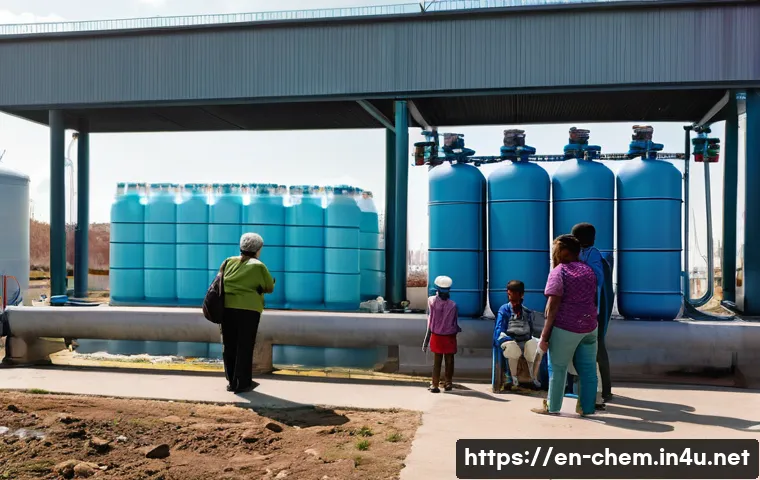
Clean water access relies heavily on chemical methods such as coagulation, filtration, and disinfection. I’ve volunteered with organizations deploying portable water treatment units that use chemical processes to provide safe drinking water in remote areas.
These efforts demonstrate how chemistry directly supports public health and social development worldwide.
Materials Science Driving Technological Advances
From flexible electronics to advanced textiles, chemistry enables the creation of materials with tailored properties. I recently experimented with conductive polymers in a DIY electronics kit, marveling at how chemistry transforms everyday objects into smart devices.
These materials are foundational to innovations that improve communication, healthcare, and environmental monitoring.
| Application Area | Chemical Principle | Societal Impact |
|---|---|---|
| Household Products | Surfactants, Green Formulations | Improved safety and environmental footprint |
| Food Preservation | Antioxidants, Antimicrobials | Extended shelf life, reduced food waste |
| Urban Environment | Pollutant Monitoring, Waste Treatment | Healthier living spaces, pollution control |
| Medical Advances | Drug Synthesis, Personalized Chemistry | Targeted therapies, better health outcomes |
| Energy Technologies | Electrochemistry, Catalysis | Renewable energy storage, reduced emissions |
| Waste Management | Chemical Recycling, Degradation | Resource conservation, pollution reduction |
| Water Treatment | Coagulation, Disinfection | Access to clean drinking water |
In Conclusion
Chemistry quietly shapes many aspects of our daily lives, from the products we use to the environment we live in. Understanding its role helps us make better choices and appreciate the innovations that improve our health and sustainability. As the field advances, ethical responsibility and public engagement remain vital to ensuring chemistry benefits everyone. Embracing this knowledge empowers us to participate actively in a healthier, greener future.
Useful Information to Keep in Mind
1. Household products often rely on surfactants and green formulations that balance effectiveness with environmental safety.
2. Food preservation uses antioxidants and antimicrobials to extend shelf life and reduce waste, essential for food security.
3. Urban chemistry involves monitoring pollutants and treating waste to maintain healthier living conditions.
4. Emerging technologies like green chemistry and AI-driven discovery are revolutionizing sustainable chemical solutions.
5. Public engagement and education play key roles in building trust and understanding around chemical innovations.
Key Takeaways
Chemistry is deeply integrated into societal progress, influencing health, environment, and technology. Innovations must be balanced with ethical considerations and effective regulation to protect public well-being. Active community involvement and education are crucial for fostering chemical literacy and responsible use. Sustainable practices and advanced technologies promise a future where chemistry supports both human needs and the planet’s health.
Frequently Asked Questions (FAQ) 📖
Q: How does chemistry impact everyday life beyond what we learn in school?
A: Chemistry is everywhere in our daily routines, from the food we eat and the cleaning products we use to the medicines that keep us healthy. Understanding chemical reactions helps us make better choices, like selecting safer household items or appreciating how nutrition affects our bodies.
Personally, realizing how chemistry influences things like cooking or even the way plants grow has made me more mindful about sustainability and health.
Q: Why is it important for society to be informed about the ethical considerations of chemical applications?
A: Chemistry’s power to transform industries comes with serious ethical responsibilities, such as ensuring environmental safety and preventing misuse in harmful ways.
When society understands these issues, it can demand better regulations and support responsible innovation. From my experience, staying informed about chemical ethics fosters trust and helps people weigh the benefits against potential risks, leading to smarter decisions in policy and personal choices.
Q: What are some future challenges chemistry faces in aligning with social values?
A: One major challenge is developing sustainable technologies that minimize environmental impact while meeting global needs. Chemistry must also address concerns about chemical waste, resource depletion, and equitable access to innovations like new medicines or clean energy.
Based on what I’ve seen, bridging the gap between scientific advancements and public acceptance requires transparent communication and collaboration between chemists, policymakers, and communities.